
Anúncios
Life’s empty spaces aren’t voids to fear—they’re invitations to grow. These unfilled moments hold the keys to discovering who we truly are and what we’re meant to become.
🌱 The Power Hidden in Empty Spaces
We live in a world that celebrates busyness and productivity, where every moment must be optimized and every space filled. Yet paradoxically, it’s often in the quiet, unfilled spaces of our lives that we discover our greatest potential. These gaps—whether in our schedules, relationships, careers, or inner worlds—aren’t deficiencies to be remedied but fertile ground for transformation.
The concept of embracing emptiness might seem counterintuitive in our achievement-oriented culture. We’re conditioned to view blank spaces as problems requiring immediate solutions. An empty calendar slot becomes an opportunity for another meeting. A quiet evening triggers the urge to scroll endlessly through social media. A moment of uncertainty in our career path sends us scrambling for the next opportunity without reflection.
But what if these unfilled spaces serve a purpose? What if they’re not gaps to be filled but gateways to be explored?
Understanding Life’s Unfilled Spaces
Unfilled spaces manifest in various forms throughout our lives. They might appear as transitional periods between jobs, the silence after a relationship ends, creative blocks that halt our artistic flow, or simply those undefined moments when we don’t quite know what comes next.
These spaces often trigger discomfort because they challenge our need for control and certainty. We’ve been taught that having a plan, filling every hour, and constantly moving forward equals success. When we encounter emptiness, we interpret it as falling behind or losing ground.
The Different Types of Unfilled Spaces
Temporal spaces represent the gaps in our schedules—those unstructured hours that aren’t committed to any particular activity. These moments of unscheduled time often make us feel guilty or anxious, as if we should be “doing something productive.”
Emotional spaces emerge during periods of transition or loss. After significant life changes, we may experience an emotional void where something or someone once filled a substantial role in our lives. These spaces can feel overwhelming but offer profound opportunities for self-discovery.
Professional spaces occur when we’re between career phases, uncertain about our next steps, or questioning our current path. These periods of professional uncertainty can be incredibly stressful yet remarkably generative.
Creative spaces appear as blocks or periods where inspiration seems absent. Artists, writers, and creators often fear these fallow periods, yet many breakthrough ideas emerge from these seemingly unproductive times.
Why We Fear the Empty
Our resistance to unfilled spaces runs deep, rooted in both psychological and cultural factors. From an evolutionary perspective, uncertainty once posed genuine survival threats. Our ancestors who remained vigilant and filled every moment with purposeful activity were more likely to survive.
In modern times, this instinct manifests as productivity anxiety—the nagging feeling that we must constantly be achieving, improving, or advancing. Social media amplifies this pressure, presenting curated highlights of others’ seemingly full and purposeful lives, making our own unfilled moments feel like failures by comparison.
The discomfort with emptiness also stems from what it forces us to confront: ourselves. When we stop the constant doing and simply be, we may encounter thoughts, feelings, or questions we’ve been avoiding. This confrontation can be uncomfortable, even frightening, which is why we instinctively reach for distractions to fill the void.
🔓 Reframing Emptiness as Opportunity
The transformation begins when we shift our perspective from viewing unfilled spaces as problems to recognizing them as portals. Just as a blank canvas holds infinite possibilities for an artist, life’s empty spaces contain unlimited potential for growth and discovery.
Consider the concept of “fertile void” from Gestalt therapy—a state of creative uncertainty where old patterns have dissolved but new ones haven’t yet formed. This uncomfortable in-between state is actually where transformation occurs. It’s the soil from which new insights, directions, and versions of ourselves can grow.
The Japanese Philosophy of Ma
Japanese culture offers valuable wisdom through the concept of “ma” (間), which refers to the space or pause between things. Rather than viewing emptiness as absence, ma recognizes it as a vital element that gives shape, meaning, and beauty to what surrounds it.
In music, the rests between notes create rhythm and meaning. In architecture, empty space allows buildings to breathe and inhabitants to move freely. In conversations, pauses give weight to words and allow understanding to deepen. Life works similarly—the unfilled spaces provide context, contrast, and possibility to our filled moments.
Practical Strategies for Embracing Unfilled Spaces
Embracing life’s empty spaces doesn’t mean abandoning all structure or becoming passive. Rather, it involves developing a more intentional relationship with uncertainty and learning to extract value from seemingly unproductive periods.
Creating Intentional Emptiness ⏰
Start by deliberately carving out unfilled time in your schedule. This might seem paradoxical—scheduling emptiness—but it’s a crucial first step. Block out periods in your calendar with no agenda other than being present with whatever arises.
During these times, resist the urge to immediately fill them with tasks or entertainment. Instead, allow yourself to simply exist without purpose. Go for aimless walks, sit quietly with tea, or gaze out a window without your phone. These practices train your tolerance for emptiness and reveal what naturally emerges when you stop forcing.
Developing a Reflection Practice
Unfilled spaces become most valuable when we engage with them reflectively. Journaling serves as an excellent tool for exploring these periods. When facing uncertainty or emptiness, write without censoring:
- What does this empty space feel like in my body and mind?
- What might this space be making room for?
- What am I avoiding by wanting to fill this space immediately?
- What small insights or curiosities are emerging in this pause?
These questions help transform passive emptiness into active exploration, shifting you from victim of circumstances to curious investigator of your own experience.
Mindfulness and Meditation 🧘
Meditation teaches us to sit comfortably with emptiness. The practice isn’t about filling your mind with positive thoughts but learning to observe the space between thoughts—the gaps where clarity naturally arises.
Start with just five minutes daily of sitting quietly, focusing on your breath, and noticing what happens in the spaces between inhalations and exhalations. This micro-practice builds your capacity to tolerate and eventually appreciate larger unfilled spaces in your life.
Growth That Emerges from the Gaps
When we stop resisting unfilled spaces and start engaging with them, remarkable transformations occur. These changes often happen subtly, emerging gradually rather than through dramatic revelations.
Self-Discovery and Authenticity
In the absence of constant activity and external input, we finally hear our own voice. The constant noise of daily life—obligations, others’ expectations, social media, entertainment—drowns out our authentic preferences, values, and desires. Unfilled spaces create the silence necessary to hear ourselves think.
Many people discover surprising truths during these quiet periods. A career they thought they wanted reveals itself as someone else’s dream. Relationships maintained out of habit show themselves as draining rather than nourishing. Passions long ignored resurface with renewed energy.
Creativity and Problem-Solving ✨
Breakthrough ideas rarely emerge from forced productivity. Research on creativity consistently shows that our best insights arise during diffuse thinking—when our mind wanders without focused intention. Showers, walks, and the moments before sleep are famously generative precisely because they’re unfilled spaces where the mind freely associates.
When facing a difficult problem or creative challenge, deliberately stepping into unfilled space—taking a break, doing nothing related to the problem—often yields the solutions that eluded us during focused effort. The empty space allows our unconscious mind to work its magic.
Resilience and Adaptability
Learning to be comfortable with uncertainty and unfilled spaces builds psychological flexibility—one of the most valuable traits for navigating modern life. When we’re no longer desperate to immediately fill every gap or answer every question, we become more adaptable to change and more resilient in facing challenges.
This comfort with not-knowing creates space for better decisions. Instead of rushing to fill a job opening with the first candidate or jumping into a new relationship immediately after one ends, we can pause, reflect, and make choices aligned with our deeper values and long-term wellbeing.
Finding Purpose in the Pause 🎯
Purpose isn’t always found through active seeking. Often, it reveals itself when we create space for it to emerge. The most meaningful directions in life frequently arise not from strategic planning but from paying attention to what captures our interest during unstructured time.
When you’re not filling every moment with predetermined activities, you notice what naturally draws your attention. You might find yourself repeatedly drawn to certain topics, activities, or ways of helping others. These organic interests, noticed in the gaps, often point toward authentic purpose more reliably than forced career assessments or life-planning exercises.
The Role of Patience
Embracing unfilled spaces requires patience—a virtue increasingly rare in our instant-gratification culture. Growth that emerges from these spaces doesn’t follow predictable timelines. You can’t force insight or accelerate transformation beyond its natural pace.
This patience doesn’t mean passivity. It’s an active, attentive waiting—remaining present and curious while allowing processes to unfold in their own time. Like a gardener who plants seeds but can’t make them grow faster by pulling on the shoots, we learn to provide conditions for growth while trusting the natural pace of development.
Fulfillment Beyond Achievement
Our culture predominantly defines fulfillment through achievement and accumulation—career milestones reached, possessions acquired, experiences collected. Yet many people who check all these boxes still report feeling empty or unfulfilled.
True fulfillment often resides not in what fills our lives but in our relationship with both the filled and unfilled spaces. It emerges from being fully present wherever we are—in activity or rest, certainty or uncertainty, fullness or emptiness.
Balancing Doing and Being 🌓
The goal isn’t to eliminate all structure and live in perpetual emptiness, nor to fill every moment with activity. Rather, it’s finding a sustainable rhythm between doing and being, between filled and unfilled, between pushing forward and allowing space.
This balance looks different for everyone and shifts across different life seasons. The key is developing awareness of when you’re avoiding necessary action by hiding in false emptiness, and when you’re avoiding genuine emptiness by compulsively filling it with unnecessary activity.
Overcoming Obstacles and Resistance
Even when intellectually committed to embracing unfilled spaces, you’ll encounter resistance. Your mind will generate compelling reasons why this particular moment isn’t the right time for emptiness, why you should be doing something productive instead.
Common obstacles include financial anxiety (feeling you must constantly work to stay secure), social pressure (explaining to others why you’re not “doing anything”), and internal restlessness (the discomfort of sitting with yourself without distraction).
Addressing these obstacles requires both practical strategies and mindset shifts. Financially, building even a small buffer can create permission for occasional unfilled time. Socially, recognizing that you don’t owe others constant productivity helps establish boundaries. Internally, starting with very small doses of emptiness builds tolerance gradually.
🌟 Integrating Emptiness Into Daily Life
Making space for unfilled moments doesn’t require dramatic life changes or extended retreats (though these can help). Small, consistent practices woven into daily life create cumulative transformation.
Consider these micro-practices for daily integration:
- Take three conscious breaths before checking your phone in the morning
- Leave five-minute gaps between meetings or activities rather than scheduling back-to-back
- Eat one meal per day without entertainment or distraction
- Take a weekly “wondering walk” with no destination or purpose
- Sit for two minutes doing absolutely nothing before bed
These small practices create pockets of emptiness that gradually reshape your relationship with unfilled time, making larger spaces feel less threatening and more inviting.
The Ripple Effects on Relationships
When you become comfortable with your own unfilled spaces, your relationships transform. You stop needing others to constantly fill your emptiness or validate your worth. This creates healthier, more authentic connections based on genuine desire rather than desperate need.
You also become more present with others. When you’re not constantly filling internal voids with distraction, you can offer fuller attention to conversations and shared experiences. Paradoxically, having more empty space within yourself allows you to be more available to others.
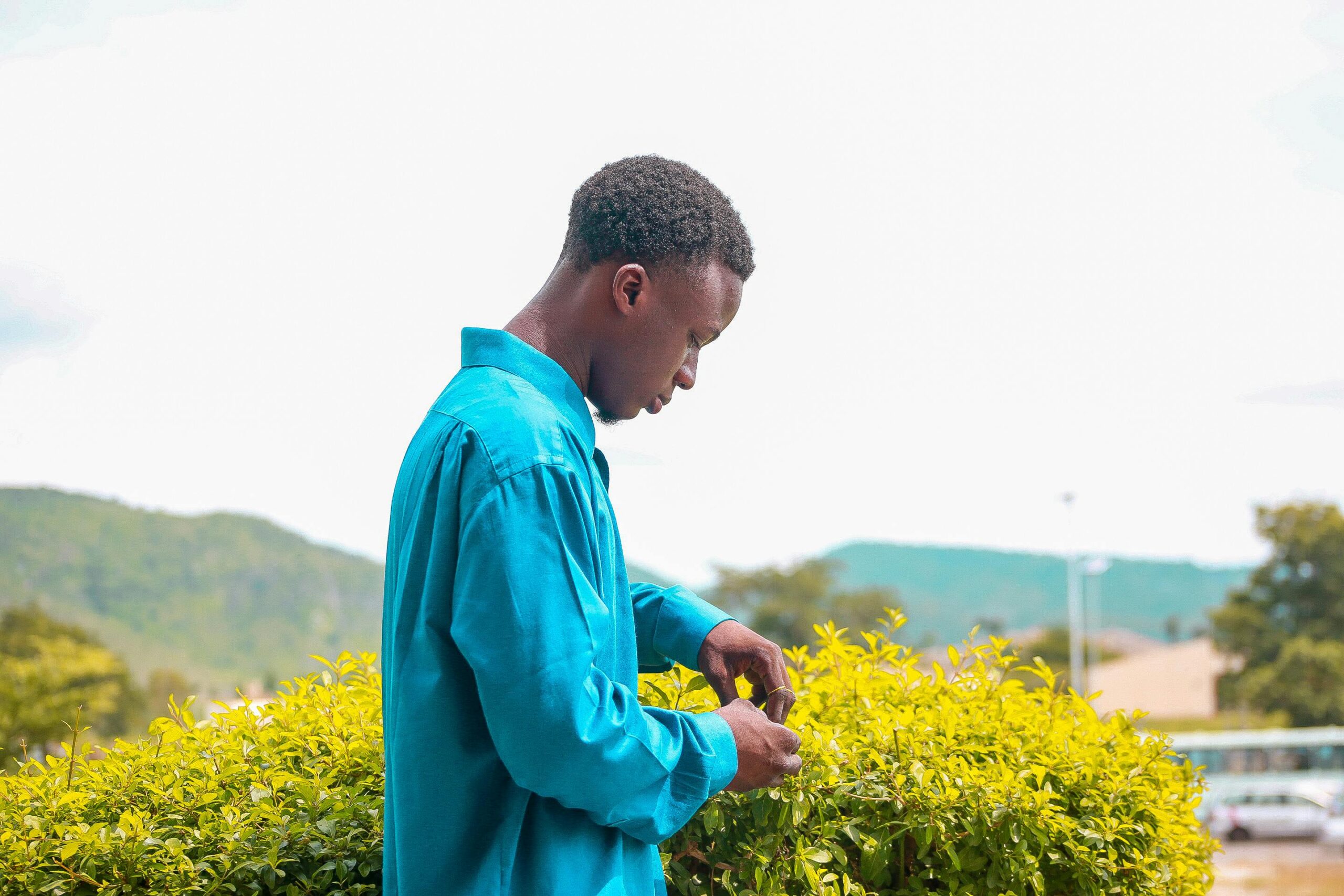
Living With Spaciousness 🕊️
Ultimately, embracing life’s unfilled spaces leads to a quality that might be called spaciousness—a sense of internal room, of not being cramped or compressed by constant demands and obligations. This spaciousness doesn’t come from having fewer responsibilities but from relating differently to all of life’s demands.
When you trust that unfilled spaces serve a purpose, you stop treating every gap as an emergency requiring immediate resolution. You develop faith in the organic processes of growth and discovery that unfold when you’re not forcing every outcome.
This spaciousness becomes a foundation for sustainable wellbeing—a way of moving through life that honors both action and rest, both seeking and allowing, both the filled and the unfilled. It transforms existence from a constant race to fill every void into a more rhythmic dance between presence and possibility.
The hidden potential within life’s unfilled spaces isn’t something you must force into existence through effort and strategy. It’s already there, waiting patiently for you to stop, breathe, and create the conditions for it to reveal itself. Your growth, purpose, and fulfillment may be found not by adding more to your life, but by finally honoring the profound wisdom held within its empty spaces.
