
Anúncios
Absence shapes us in ways presence never could. The empty spaces in our lives—loss, longing, unfulfilled dreams—can become unexpected teachers, guiding us toward deeper understanding and personal transformation.
🌑 The Paradox of Emptiness in Modern Life
We live in an era obsessed with fullness. Our calendars overflow with commitments, our homes brim with possessions, and our digital feeds never stop streaming content. Yet beneath this surface abundance, many people experience a profound sense of emptiness—a void that no amount of material wealth or social connection seems to fill.
This paradox reveals something fundamental about the human condition: absence is not simply the lack of something. It is a presence in itself, a space that holds meaning, potential, and the possibility for growth. When we learn to embrace rather than fear the void, we open ourselves to transformation that comfort and certainty can never provide.
The void appears in countless forms throughout our lives. It manifests as the loss of a loved one, the end of a relationship, career setbacks, unmet expectations, or the quiet desperation of feeling fundamentally misunderstood. These absences carve hollows within us, and our instinctive response is usually to fill them as quickly as possible—to distract, replace, or deny what’s missing.
The Architecture of Absence: How Void Shapes Identity
Consider how a sculptor works. The final form emerges not just from what is added, but from what is removed. The empty spaces define the sculpture as much as the solid material. Similarly, the absences in our lives sculpt our character, values, and worldview in profound ways.
People who have experienced significant loss often report a paradoxical outcome: they feel simultaneously more vulnerable and more resilient. The absence created by their loss becomes a defining feature of their identity—not as a wound that merely weakens, but as an opening that allows for deeper empathy, wisdom, and appreciation for life’s fragility and beauty.
Research in psychology supports this observation. Post-traumatic growth, a concept developed by psychologists Richard Tedeschi and Lawrence Calhoun, describes how people who endure significant hardship often experience positive psychological changes. They develop greater personal strength, improved relationships, a deeper appreciation for life, new possibilities for their future, and spiritual development.
The Five Dimensions of Growth Through Absence
- Personal Strength: Discovering capabilities you didn’t know you possessed when faced with navigating life after loss
- Relational Depth: Developing more authentic connections with others who understand suffering
- Appreciation Amplification: Finding beauty and meaning in ordinary moments previously taken for granted
- New Pathways: Recognizing opportunities and directions that were invisible before the void appeared
- Existential Maturity: Grappling with fundamental questions about meaning, purpose, and mortality
🕳️ Learning to Sit with Emptiness
The first and perhaps most challenging step in embracing the void is simply learning to be with it. Our culture conditions us to avoid discomfort at all costs. We have entertainment, substances, shopping, work, and countless other escape routes available whenever emptiness threatens to surface.
But avoidance comes with a cost. When we constantly flee from the void, we never learn what it has to teach us. We miss the transformation that can only occur in that uncomfortable space between what was and what will be.
Meditation traditions across cultures have long recognized the value of sitting with emptiness. Buddhist practice, for instance, teaches practitioners to observe thoughts and feelings without attachment, creating a spacious awareness that can hold both presence and absence without needing to change either.
This doesn’t mean wallowing in grief or cultivating depression. Rather, it means developing the capacity to acknowledge absence honestly—to say “yes, this space exists within me” without immediately rushing to fill it or explain it away.
Practical Approaches to Sitting with the Void
Developing comfort with emptiness is a skill that improves with practice. Start small. Create moments in your day where you deliberately step away from distraction. This might mean sitting in silence for five minutes without reaching for your phone, taking a walk without podcasts or music, or simply pausing to feel whatever emotions arise without immediately analyzing them.
Journaling can be a powerful tool for exploring absence. Rather than writing about what you did or what you’re planning, try writing about what’s missing. What do you long for? What have you lost? What dreams remain unfulfilled? Let yourself articulate the contours of the void without pressure to resolve or fix it.
Creative expression offers another pathway. Art, music, poetry, and dance can give form to the formless—allowing you to represent absence in ways that logical language cannot capture. The creative process itself often involves working with negative space, with silence, with what is implied rather than stated.
The Fertile Void: Where Creation Begins
Empty space is not barren—it is the precondition for creation. A canvas must be blank before the painting can begin. A room must be cleared before it can be redesigned. The old must pass away before the new can emerge.
This principle appears throughout nature. Forest fires, devastating as they are, clear away dead growth and allow nutrients to return to the soil, making space for new life. The void left by fallen trees becomes habitat for countless organisms. Death creates the possibility for birth.
In our own lives, the voids we experience often precede our most significant growth and transformation. The loss of a job might lead to discovering a more meaningful career. The end of a relationship might clear space for a healthier partnership or a deeper relationship with yourself. The failure of a long-held dream might open your eyes to possibilities you never considered.
This doesn’t diminish the pain of loss or suggest that suffering is somehow “good for you” in a simplistic sense. Rather, it recognizes that absence creates potential—a field of possibility that wasn’t available when that space was occupied.
🌱 Cultivating Meaning in Empty Spaces
Meaning is not something we find lying around waiting to be discovered. It is something we create, often in the most unlikely places. The voids in our lives become meaningful when we engage with them actively rather than passively suffering through them.
Viktor Frankl, psychiatrist and Holocaust survivor, wrote extensively about finding meaning in suffering. His experiences in Nazi concentration camps—the ultimate void of human dignity, freedom, and certainty—led him to conclude that humans can endure almost anything if they can find meaning in it.
Frankl identified three primary ways people create meaning: through creative work or deeds, through experiences and relationships, and through the attitude they adopt toward unavoidable suffering. The third path is particularly relevant when discussing absence—we may not be able to change what is missing, but we can choose how we relate to that absence.
Transforming Absence into Purpose
Many people who have experienced profound loss channel their experience into helping others facing similar voids. Parents who lose children to disease become advocates for research funding. People who overcome addiction dedicate themselves to supporting others in recovery. Those who survive violence work to prevent others from suffering similarly.
This transformation of personal absence into collective purpose serves multiple functions. It honors what was lost by ensuring something positive emerges from the pain. It creates connection with others who understand the particular shape of your void. And it provides a sense of agency and direction when loss might otherwise leave you feeling powerless and adrift.
But purpose-making doesn’t have to be so dramatic or public. It might simply mean becoming more present with loved ones because you’ve experienced loss. It might mean pursuing creative work that explores themes of absence and longing. It might mean developing spiritual practices that help you navigate uncertainty.
The Gift of Negative Capability ✨
The poet John Keats coined the term “negative capability” to describe the capacity to remain in uncertainties, mysteries, and doubts without irritably reaching after fact and reason. This ability to tolerate ambiguity and incompleteness is increasingly recognized as a marker of psychological maturity and creative potential.
Life rarely offers the tidy resolutions we crave. Many questions remain unanswered. Many losses cannot be fully reconciled or understood. Relationships end without closure. Opportunities slip away. Dreams dissolve without explanation.
Negative capability allows us to live with these irresolutions without becoming paralyzed by them. It is the capacity to say “I don’t know” and “I can’t understand this” and “it doesn’t make sense” while still moving forward with intention and hope.
This skill becomes particularly valuable in an era of information overload where we expect to have answers to everything at our fingertips. The void—whether it’s the absence of understanding, certainty, or closure—challenges our illusion of control and comprehension. Embracing it means acknowledging the fundamental mystery at the heart of existence.
Building Resilience Through Absence
Psychological resilience isn’t about never experiencing hardship or maintaining constant positivity. It’s about developing the flexibility to bend without breaking, to experience disruption and find your way forward again.
Absence, paradoxically, can strengthen this resilience. Each time you navigate a void—sitting with it, learning from it, eventually moving through it—you develop confidence in your ability to handle future losses and uncertainties. You learn that survival is possible even when you thought it wasn’t. You discover inner resources you didn’t know you possessed.
This doesn’t happen automatically. Simply experiencing loss or absence doesn’t guarantee growth. The transformation requires engagement—a willingness to process the experience, to extract meaning from it, to integrate it into your evolving understanding of yourself and the world.
Practical Strategies for Building Resilience
- Acknowledge rather than deny: Name the absence and its impact on you without minimizing or catastrophizing
- Connect with others: Share your experience with people who can hold space for your pain without trying to fix it
- Maintain routines: Structure provides stability when internal landscapes feel chaotic
- Practice self-compassion: Treat yourself with the kindness you would offer a dear friend going through similar circumstances
- Look for small moments of beauty or meaning: They exist even in the darkest times, and noticing them rebuilds hope
- Be patient with the process: Integration and growth happen on their own timeline, not yours
🌊 The Rhythm of Presence and Absence
Life is not static. It moves in waves, rhythms, and cycles. Presence and absence dance together, each making the other possible and meaningful. The inhale requires the exhale. The sound gains meaning from the silence that surrounds it. Joy becomes more poignant when we know sorrow.
Embracing the void doesn’t mean preferring absence to presence or loss to having. It means recognizing that both are essential parts of the human experience, and that trying to eliminate one impoverishes the other.
When we allow ourselves to fully experience both presence and absence, we live with greater depth and authenticity. We appreciate what we have while we have it. We grieve what we’ve lost without becoming consumed by that grief. We hold our plans and dreams lightly, knowing they may or may not come to fruition.
This balanced perspective cultivates what might be called existential flexibility—the ability to engage fully with life while accepting its fundamental uncertainty and impermanence.
Redefining Wholeness Beyond Completeness
Perhaps the most profound shift that comes from embracing the void is a redefinition of what it means to be whole. We typically think of wholeness as completeness—having all the pieces, lacking nothing, being unbroken and intact.
But another understanding of wholeness includes the broken places, the missing pieces, the voids. Like Japanese kintsugi pottery, which repairs broken ceramics with gold, highlighting rather than hiding the breaks, we can learn to see our absences as integral parts of our wholeness rather than defects that diminish it.
This perspective doesn’t glorify suffering or suggest that loss is desirable. Instead, it acknowledges that absence is inevitable, and that excluding it from our self-concept creates an artificial and ultimately unsustainable version of wholeness.
When we include the voids—the losses, the longings, the disappointments, the uncertainties—in our understanding of who we are, we become more authentic, more compassionate, and more resilient. We stop waiting to be “fixed” or “complete” before we can live fully. We recognize that we are already whole, voids included.
Living Forward Into the Unknown 🚀
The future is the ultimate void—unknowable, uncertain, shaped by absence as much as possibility. Embracing this void means releasing the illusion of control and certainty while still engaging with intention and hope.
This requires a particular kind of courage: the courage to take action without guarantees, to invest in relationships that might end, to pursue dreams that might not materialize, to love knowing loss is inevitable. It means saying “yes” to life despite its fundamental uncertainty.
People who embrace the void tend to live with greater freedom and authenticity. They take meaningful risks because they’ve learned they can survive disappointment. They love more openly because they understand both the preciousness and impermanence of connection. They pursue what matters to them rather than what feels safe or certain.
This doesn’t mean becoming reckless or nihilistic. Rather, it means making peace with the fact that life offers no guarantees, and choosing to engage fully anyway. It means finding meaning and purpose not despite the void, but through your relationship with it.
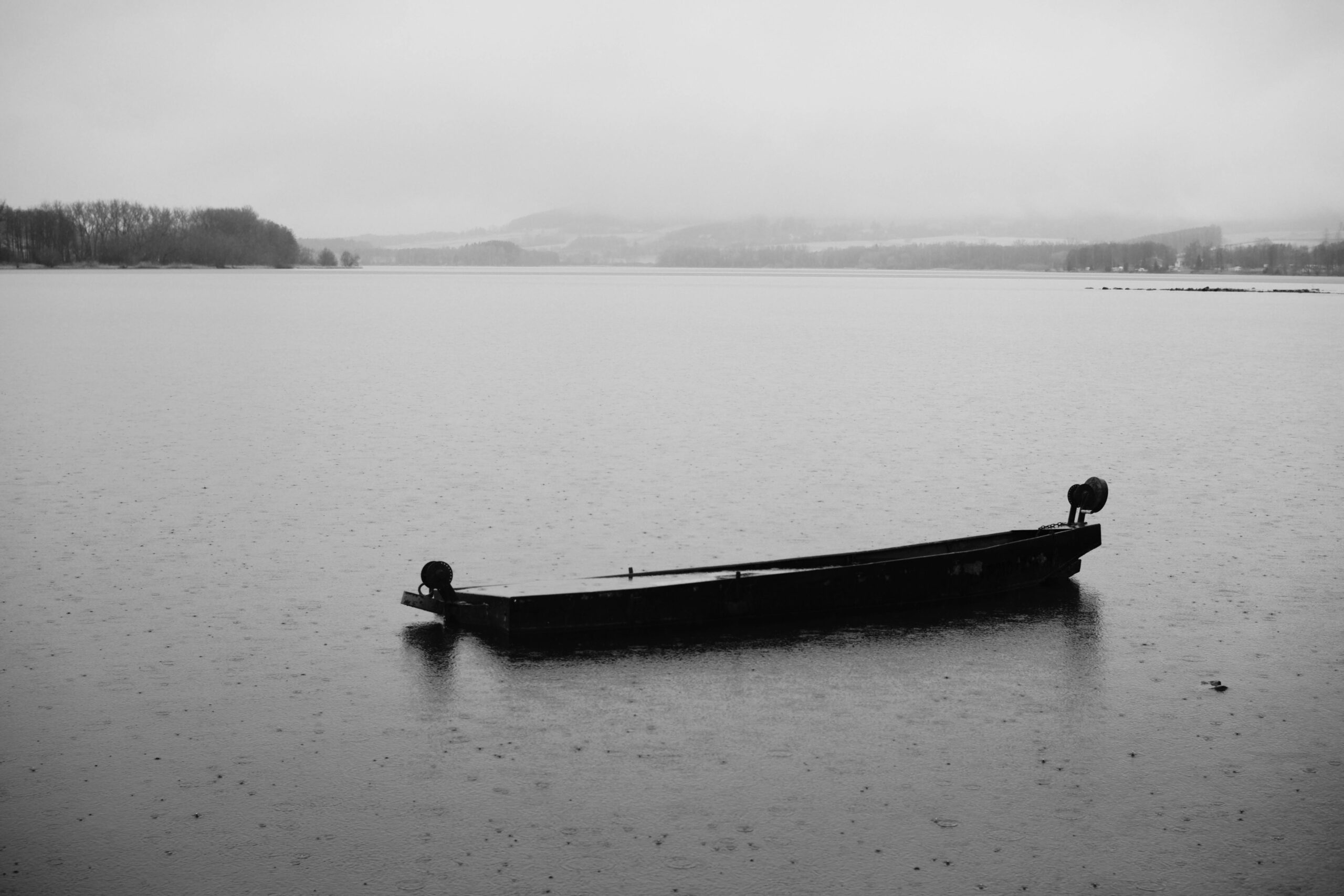
The Invitation of Empty Spaces
Every void is an invitation. It invites you to sit with discomfort, to question your assumptions, to discover inner resources, to redefine what matters, to create new meaning, to connect more deeply with others who understand absence, to live with greater intentionality and presence.
Accepting this invitation doesn’t come naturally. It requires practice, support, and patience. It means going against cultural messages that promise fullness, completion, and constant happiness. It means choosing depth over distraction, authenticity over pretense, growth over comfort.
But those who accept the invitation often discover something unexpected: the void is not empty at all. It is full of possibility, rich with potential, alive with the opportunity for transformation. In learning to embrace absence, we discover a fuller, more authentic way of being present.
The journey into the void is ultimately a journey home—to a more honest relationship with yourself, with others, and with the fundamental mystery of existence. It is the path from fragmentation to wholeness, from fear to acceptance, from mere survival to genuine aliveness. And while the destination remains uncertain, the journey itself becomes the meaning we seek.
