
Anúncios
Life unfolds in cycles of presence and absence. Between what was and what will be lies a sacred territory: the void—a space rich with potential, waiting to be understood and transformed.
🌑 The Unexpected Power of Empty Spaces
When someone leaves our life, when a career ends, when a dream dissolves, we’re left with something profound: emptiness. This void terrifies us. We rush to fill it with distractions, new relationships, frantic activity, or numbing behaviors. Yet in our haste to escape the hollow feeling, we miss the transformative opportunity that absence provides.
The spaces left behind are not merely gaps to be filled. They are invitations to explore, to reflect, and to reimagine who we are becoming. These voids hold within them the seeds of our next evolution, if only we can learn to sit with them long enough to understand their language.
Think of a forest after a great tree falls. The canopy opens, sunlight floods the forest floor, and dormant seeds suddenly have the light and space they need to germinate. The void left by the fallen tree becomes a nursery for new life. Our personal voids function similarly, creating conditions for growth that couldn’t have occurred in the shadow of what once was.
Understanding What the Void Actually Means
The void isn’t actually empty. It’s a space of transition, pregnant with possibility. When we experience loss—of a person, a role, an identity, a belief—we don’t just lose something external. We lose a part of how we defined ourselves, how we structured our days, how we made meaning of our existence.
This disorientation is uncomfortable, but it’s also liberating. For perhaps the first time in years, you’re free to ask: Who am I without this? What do I actually want? What have I been ignoring while my attention was focused elsewhere?
The void forces these questions upon us, not cruelly, but as a necessary catalyst for growth. Without the structures we’ve built our lives around, we discover what remains—our core self, resilient and adaptable, capable of rebuilding in ways we couldn’t have imagined.
The Difference Between Emptiness and Void
Language matters here. Emptiness suggests something missing, a deficit, a problem to be solved. The void, however, is spacious and neutral. It’s the blank canvas, the open field, the pause between musical notes that gives the melody its shape.
When we reframe our experience from “I feel empty” to “I’m in the void,” we shift from victimhood to explorership. We acknowledge that we’re in a liminal space—no longer where we were, not yet where we’re going. This threshold state is sacred in many spiritual traditions precisely because it’s where transformation happens.
🌱 Growth Emerges From Discomfort
Growth never happens in comfort zones. The spaces left behind force us out of our familiar patterns and into unknown territory. This is where development occurs—not in the smooth sailing, but in the navigation of unfamiliar waters.
Consider how muscles grow. They must first be broken down through stress and resistance. The micro-tears in muscle fibers create temporary “voids” that rebuild stronger than before. Our psychological and emotional growth follows a similar pattern. The breaking apart precedes the building up.
When a long-term relationship ends, you might initially feel lost. Who are you without being someone’s partner? But this void creates space to rediscover individual interests you’d set aside, to develop self-reliance you’d outsourced, to understand your own needs more clearly than you could while merged with another person.
The Timeline Nobody Tells You About
Here’s what’s important to understand: embracing the void doesn’t mean you immediately feel better. In fact, initially, you might feel worse. You’re removing the numbing agents, the distractions, the quick fixes. You’re sitting with discomfort instead of fleeing from it.
This takes time. Our culture obsesses over speed—quick fixes, rapid results, instant transformation. But the void operates on a different timeline. Seeds don’t sprout the moment they touch soil. Winter precedes spring. Some insights take months or years to fully emerge and integrate.
Patience with the process is itself a form of growth. In a world that demands constant productivity and visible progress, learning to trust invisible development is revolutionary.
Practical Ways to Embrace Rather Than Escape
Embracing the void isn’t passive resignation. It’s an active practice that requires intention, courage, and consistent effort. Here are specific approaches that can help you work with emptiness rather than against it.
Create Rituals of Acknowledgment
When something ends, mark the transition consciously. Write a letter to what you’ve lost, expressing gratitude and grief. Create a small ceremony that honors what was and opens space for what’s coming. Light a candle, speak words aloud, visit a meaningful place—ritual helps our psyche process change that our rational mind struggles to accept.
These practices don’t erase the void, but they help us relate to it with intention rather than fear. We’re saying: “I see this empty space. I acknowledge its significance. I’m choosing to work with it.”
Resist the Urge to Fill It Immediately
This is perhaps the hardest practice. When the void opens, every instinct screams at us to fill it quickly. Lost a relationship? Jump into dating apps. Lost a job? Send out hundreds of applications in a panic. Lost a sense of purpose? Frantically adopt new hobbies, beliefs, or identities.
Instead, practice the discipline of waiting. Not forever, but long enough to understand what the void is teaching you. Long enough to distinguish between what you genuinely want and what you’re grasping for out of discomfort. Long enough for clarity to emerge organically rather than being forced.
Journal Through the Uncertainty
Writing is a powerful tool for navigating the void. It externalizes the internal chaos, making it visible and therefore more manageable. You don’t need profound insights—sometimes just documenting “I feel lost today” is enough.
Over time, patterns emerge in your writing. You begin to see what you’re actually mourning, what you’re actually hoping for, what’s actually important to you beneath the surface concerns. The void becomes less opaque as you shine the light of attention into it consistently.
Seek Stillness Over Stimulation
Our default response to discomfort is distraction. We scroll endlessly, binge-watch series, stay perpetually busy. These aren’t inherently wrong, but when they become avoidance strategies, they prevent us from receiving the gifts the void offers.
Experiment with stillness. Sit quietly for ten minutes without your phone. Take walks without earbuds. Allow boredom and discomfort to arise without immediately medicating them with stimulation. In these quiet moments, unexpected insights surface—not dramatic revelations necessarily, but quiet knowings about what you need and who you’re becoming.
💎 The Hidden Gifts Within Empty Spaces
The void isn’t punishment—it’s preparation. What feels like loss is often liberation in disguise. The spaces left behind contain specific gifts that only become visible when we stop fighting them.
Clarity About What Actually Matters
When the structures of our lives collapse, trivialities fall away. You discover what you genuinely miss versus what you thought you should miss. You learn the difference between the life you were living and the life you actually want to create.
This clarity is priceless. Many people spend entire lifetimes building impressive structures based on others’ expectations or outdated versions of themselves. The void strips this away, revealing your authentic priorities if you’re willing to look.
Rediscovery of Your Essential Self
We define ourselves through relationships, roles, achievements, and possessions. But who are you beneath all these layers? The void forces this question. Without your job title, your relationship status, your social identity—who remains?
This can feel frightening, but it’s also liberating. You reconnect with aspects of yourself that got buried under years of adaptation and compromise. The person who loved astronomy before practical concerns took over. The part of you that’s playful, curious, creative, or contemplative but rarely gets expression in your structured life.
Expanded Capacity for Uncertainty
Learning to tolerate the void builds psychological flexibility. Life is inherently uncertain, but we spend enormous energy trying to create the illusion of control. When you practice sitting with not-knowing, you develop resilience that serves you in all areas of life.
This doesn’t mean you stop planning or caring about outcomes. It means you hold your plans lightly, adapting as circumstances change rather than breaking when things don’t go according to script. You become fluid rather than rigid, responsive rather than reactive.
🌊 When the Void Feels Overwhelming
Let’s be honest: sometimes the void isn’t a gentle teacher but a crushing weight. Depression, anxiety, and grief can make empty spaces feel unbearable rather than pregnant with possibility. It’s important to distinguish between productive discomfort and suffering that requires additional support.
If you’re experiencing persistent hopelessness, inability to function in daily life, thoughts of self-harm, or debilitating anxiety, these are signals to seek professional help. Embracing the void doesn’t mean white-knuckling through clinical mental health challenges alone.
Therapy, medication, support groups, and crisis services exist for good reason. There’s no virtue in suffering without support. Sometimes the most courageous thing you can do is reach out and say, “This is too much for me to carry alone right now.”
Balancing Acceptance and Action
Embracing the void is a middle path between two extremes. On one side is frantic escape—filling the space immediately with anything to avoid discomfort. On the other is paralysis—becoming so comfortable in the void that you never move forward into new creation.
The sweet spot is what might be called “active patience.” You’re not forcing premature solutions, but you’re also not passive. You’re tending the soil, removing obstacles, staying open to possibilities, and taking small steps when they feel genuinely right rather than desperate.
This requires discernment that develops over time. You learn to distinguish between fear that’s protecting you from genuine harm and fear that’s just trying to keep you comfortable. Between intuition that’s guiding you forward and impulse that’s trying to escape discomfort.
Building a New Foundation in Spaciousness
Eventually, the acute phase of the void passes. You don’t return to who you were before—that person no longer exists. Instead, you build something new from the ground up, incorporating both what you’ve learned and what you’ve let go.
This new foundation is often simpler, more aligned, more intentional than what preceded it. You’re no longer building on autopilot or according to inherited blueprints. You’re constructing a life based on direct experience of what works for you, what matters to you, what brings you alive.
The structures you create after embracing the void tend to be more flexible. You’ve learned that everything is temporary, so you hold achievements and relationships with gratitude rather than clinging. This doesn’t make them less meaningful—if anything, their impermanence makes them more precious.
Integrating the Lessons Forward
The void teaches you that you can survive endings. That you contain multitudes. That you’re more resilient and creative than you knew. These aren’t abstract lessons but embodied knowledge that changes how you move through the world.
You become less afraid of change because you’ve learned that what feels like death is often transformation. You take more risks because you know that even if things fall apart, you can navigate the void that follows. You’re more compassionate with others in their transitions because you remember how it feels to be in that uncertain space.
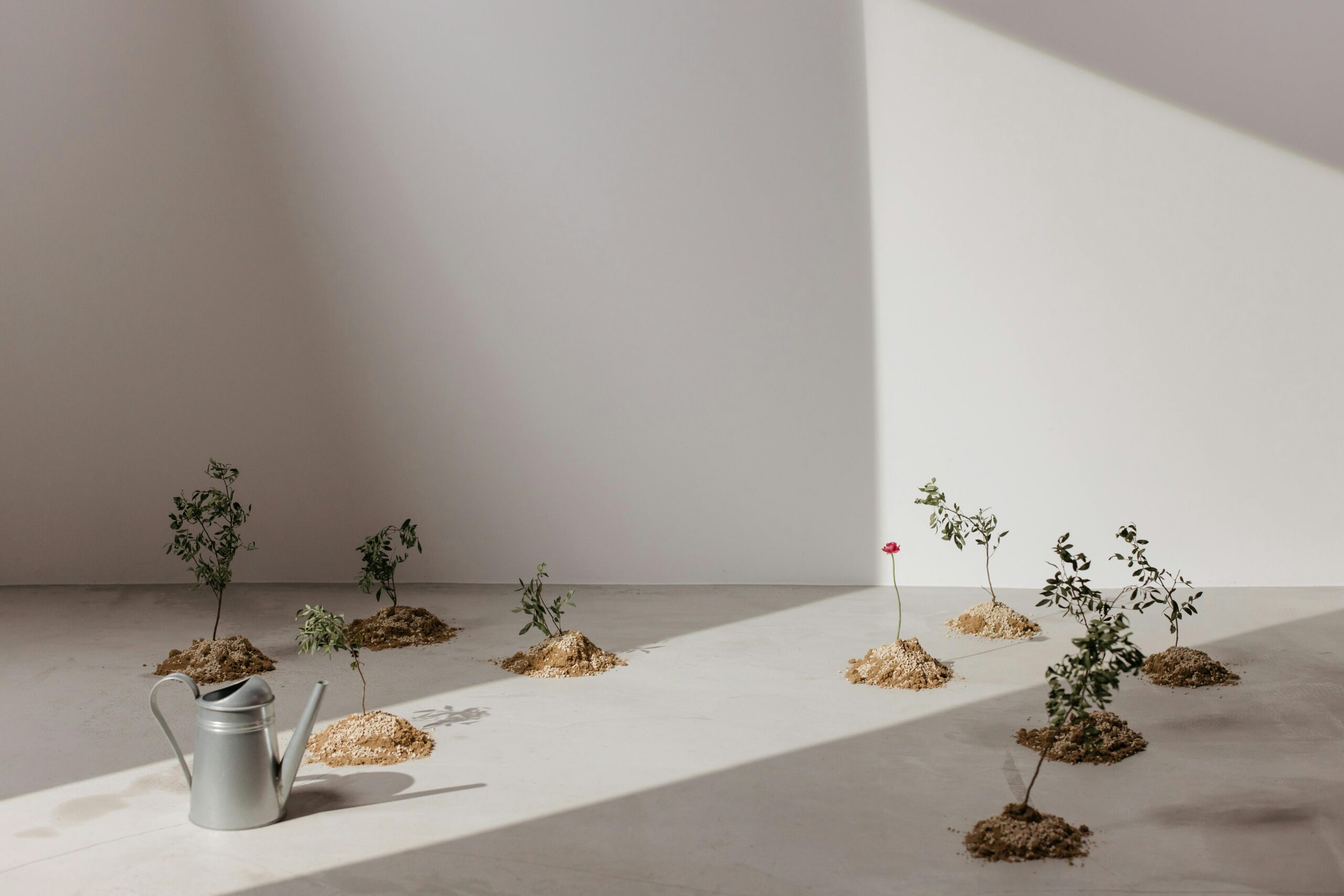
🔄 The Cyclical Nature of Void and Fullness
Here’s the final truth: embracing the void isn’t a one-time event. Life moves in cycles. What we build will eventually end. New voids will open. This isn’t pessimistic—it’s realistic and ultimately freeing.
When you understand that void and fullness are partners in a dance rather than enemies at war, you stop clinging so desperately to the good times and stop fearing the transitions so completely. You learn to flow between states, trusting the process even when you can’t see the outcome.
Each time you move through a void, you do it with more skill. The fear doesn’t necessarily disappear, but your relationship with it changes. You recognize the sensation: “Ah, I’m in the void again. I know this territory. I know I’ll find my way through, even though I can’t see the path yet.”
This accumulated wisdom becomes one of your greatest resources—the knowledge that you’ve endured before, adapted before, discovered meaning and growth in spaces that initially seemed like only loss. This isn’t naive optimism but earned trust in your own capacity for resilience and transformation.
The spaces left behind are not empty. They’re full of potential, full of questions, full of the raw material of your becoming. When you stop fighting them and start working with them, everything changes. Not immediately, not easily, but profoundly and permanently. The void becomes not something to fear but something to embrace—a necessary clearing that makes room for growth you couldn’t have imagined while clutching what you already knew. 🌟
