
Anúncios
Unexplained absences can create ripples of concern, confusion, and chaos in workplaces, schools, and personal relationships—demanding immediate attention and strategic solutions.
🔍 The Growing Challenge of Unexplained Absences in Modern Society
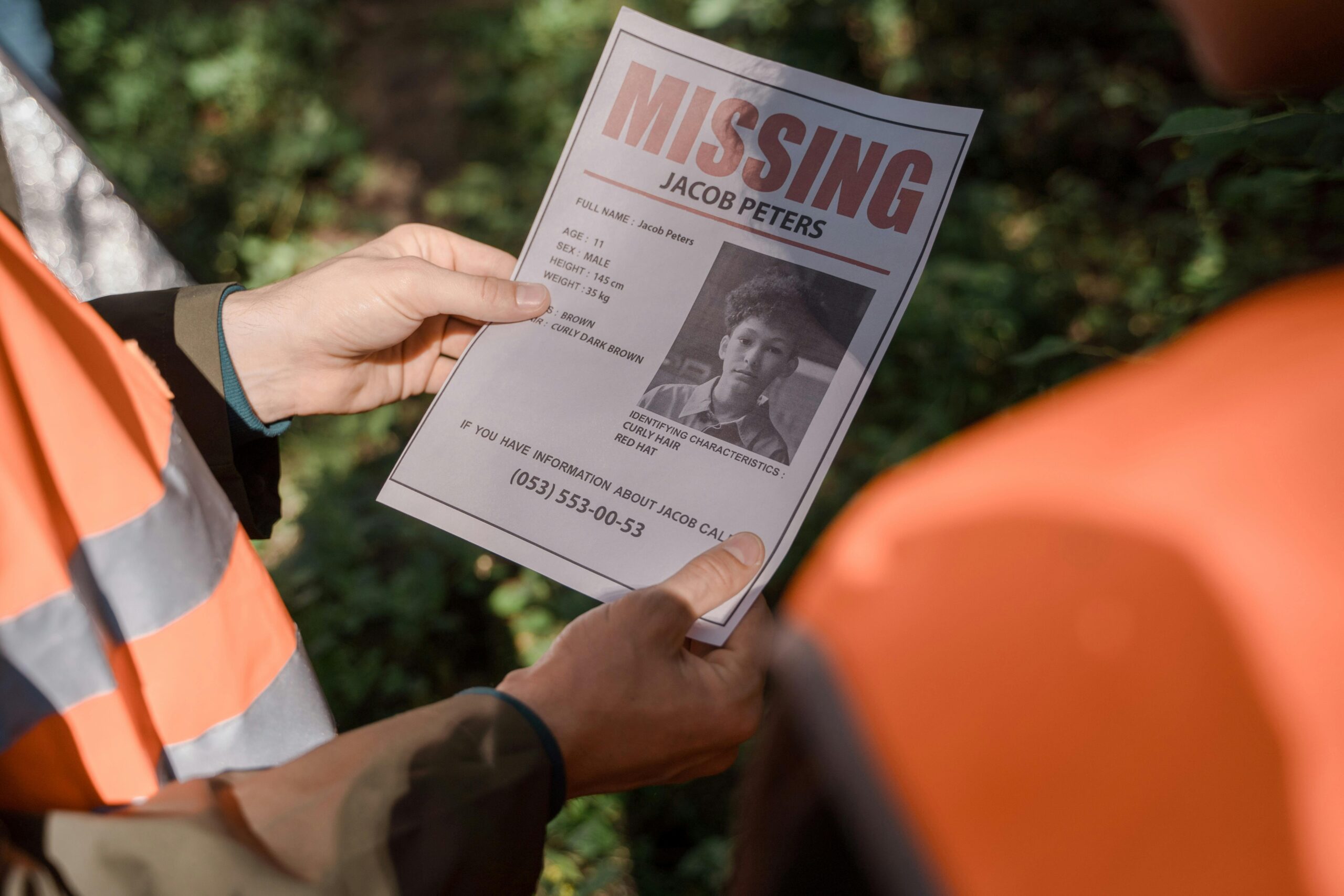
In today’s interconnected world, the phenomenon of people simply vanishing without explanation has become increasingly problematic. Whether it’s an employee who doesn’t show up for work, a student missing from class, or a friend who suddenly goes silent, these disappearing acts create significant challenges for organizations and individuals alike.
The impact of unexplained absences extends far beyond simple inconvenience. Businesses lose productivity, educational institutions struggle to maintain student engagement, and personal relationships suffer from communication breakdowns. Understanding the root causes and implementing effective strategies to address these situations has become essential for maintaining healthy, functional environments.
Research indicates that unexplained absences have increased by approximately 30% over the past decade, with various factors contributing to this trend. From mental health challenges to technological overwhelm, the reasons behind these disappearing acts are complex and multifaceted.
💼 The Workplace Perspective: When Employees Vanish
Employee absenteeism represents one of the most significant challenges facing modern organizations. When staff members fail to show up without notification or explanation, the consequences ripple throughout the entire operation.
The direct costs of unexplained absences include lost productivity, overtime payments for replacement workers, and decreased team morale. However, the indirect costs often prove even more substantial—damaged client relationships, missed deadlines, and the erosion of workplace culture.
Understanding the Root Causes Behind Workplace Disappearances
Before implementing solutions, organizations must understand why employees engage in disappearing acts. The motivations vary widely and often reflect deeper organizational or personal issues.
- Mental health struggles including anxiety, depression, and burnout
- Workplace conflicts or toxic environments that employees wish to avoid
- Personal crises such as family emergencies or health problems
- Job dissatisfaction and passive resignation behaviors
- Lack of engagement or connection with organizational mission
- Poor communication channels that discourage transparency
- Fear of consequences for reporting legitimate absences
Each of these factors requires a different approach. A one-size-fits-all policy rarely succeeds in addressing the nuanced reality of why people disappear without explanation.
📱 Technology’s Double-Edged Sword in Tracking and Communication
Modern technology offers unprecedented tools for monitoring attendance and maintaining communication. Time-tracking applications, geolocation services, and automated attendance systems have made it easier than ever to identify when someone goes missing.
However, technology also contributes to the problem. Digital overwhelm, notification fatigue, and the ease of disconnecting from communication channels mean that people can disappear more completely than ever before. Someone might ignore dozens of messages, emails, and calls simply by turning off their device.
Implementing Smart Attendance Tracking Solutions
Organizations increasingly turn to sophisticated attendance management systems that provide real-time visibility into who’s present and who’s missing. These tools can automatically flag unexplained absences and trigger appropriate response protocols.
The key is finding the balance between surveillance and trust. Overly invasive monitoring can damage employee morale and actually increase disappearing behaviors, while insufficient oversight allows problems to escalate unchecked.
🎓 Educational Institutions Facing the Absence Crisis
Schools and universities confront unique challenges when students engage in disappearing acts. Unlike workplaces, educational institutions have both academic and pastoral responsibilities toward those who vanish without explanation.
Student absences can indicate serious problems ranging from bullying and mental health crises to family instability or substance abuse. Early intervention often makes the critical difference in preventing long-term negative outcomes.
Creating Safety Nets for At-Risk Students
Effective educational institutions establish multi-layered systems for identifying and responding to unexplained absences. These systems recognize that a single missed class might mean nothing, while a pattern of disappearances demands immediate attention.
The most successful approaches combine technology with human connection. Automated attendance systems flag absences immediately, but trained personnel make personal contact to understand what’s happening and provide appropriate support.
🤝 Building a Culture of Transparency and Trust
Perhaps the most powerful strategy for reducing unexplained absences involves creating environments where people feel safe communicating honestly about their situations. When individuals fear judgment, punishment, or disbelief, they’re more likely to simply disappear rather than explain their circumstances.
Organizations that successfully minimize disappearing acts share common characteristics. They cultivate psychological safety, establish clear but compassionate policies, and train leaders to respond supportively when people face difficulties.
Practical Steps for Fostering Open Communication
Creating a culture where people communicate rather than vanish requires intentional effort and sustained commitment from leadership at all levels.
- Establish clear, accessible procedures for reporting absences in advance or after the fact
- Train managers and supervisors in compassionate communication techniques
- Remove punitive consequences for first-time or rare unexplained absences
- Create confidential channels for discussing sensitive personal situations
- Regularly communicate that people’s wellbeing matters more than perfect attendance
- Share stories of how the organization has supported others through difficult times
- Implement gradual return-to-work or return-to-school protocols after extended absences
⚖️ Legal and Ethical Considerations in Absence Management
Addressing unexplained absences involves navigating complex legal and ethical terrain. Organizations must balance their operational needs with individual privacy rights and legal protections.
In many jurisdictions, certain absences are protected by law—medical conditions, family emergencies, and religious observances, for example. Responding inappropriately to protected absences can expose organizations to significant legal liability.
Developing Compliant Absence Policies
Effective absence policies clearly articulate expectations while respecting legal requirements. They specify what constitutes an unexplained absence, outline consequences for various scenarios, and detail the appeal process for disputed situations.
The most robust policies are developed with input from legal counsel, human resources professionals, and employee representatives. They’re regularly reviewed and updated to reflect changing laws and organizational learning.
🧠 The Mental Health Connection: Addressing the Elephant in the Room
An uncomfortable truth underlies many unexplained absences: mental health challenges have reached crisis levels in many societies. Anxiety, depression, and burnout can make even simple tasks like calling in sick feel insurmountably difficult.
People experiencing mental health crises often describe feeling paralyzed, unable to reach out for help even when they desperately need it. The shame and stigma surrounding mental health issues compound the problem, creating a vicious cycle where disappearing feels easier than explaining.
Integrating Mental Health Support into Absence Management
Progressive organizations recognize that effectively addressing unexplained absences requires robust mental health support systems. These might include employee assistance programs, access to counseling services, mental health days, and training for managers in recognizing warning signs.
When someone engages in unexplained absences, treating it purely as a disciplinary matter often worsens the underlying situation. A more effective approach involves compassionate inquiry into what’s driving the behavior and connecting the person with appropriate resources.
📊 Data-Driven Approaches to Pattern Recognition
Modern absence management increasingly relies on data analytics to identify patterns and predict potential problems before they escalate. By analyzing historical attendance data, organizations can spot trends that might indicate systemic issues.
| Pattern Type | Possible Indication | Recommended Response |
|---|---|---|
| Monday/Friday absences | Job dissatisfaction or burnout | Engagement survey and workload review |
| Absences following negative feedback | Conflict avoidance or anxiety | Improved feedback practices and support |
| Cluster absences in specific teams | Leadership or culture problems | Team climate assessment and intervention |
| Gradual increase in absence frequency | Deteriorating health or personal situation | Confidential check-in and resource offering |
Data alone never tells the complete story, but it provides valuable insights that can guide more targeted interventions and support strategies.
🌟 Success Stories: Organizations That Cracked the Code
Some organizations have dramatically reduced unexplained absences through innovative approaches that prioritize human connection alongside systemic solutions.
One manufacturing company reduced unexplained absences by 60% after implementing a peer support program where trusted colleagues could check in with absent workers without formal consequences. This approach recognized that sometimes people just need someone to care enough to ask if they’re okay.
A school district similarly transformed its attendance outcomes by assigning counselors to personally contact any student missing three consecutive days. Rather than threatening punishment, these calls offered help—connecting families with resources, addressing barriers to attendance, and demonstrating genuine concern for student wellbeing.
🔄 The Follow-Up: What Happens After the Return
How organizations handle someone’s return after an unexplained absence significantly impacts whether the behavior repeats. Responses that are purely punitive often create resentment and disengagement, while overly permissive approaches may inadvertently encourage the behavior.
The most effective return protocols balance accountability with support. They create space for honest conversation about what happened, clarify expectations going forward, and identify any assistance the person might need to prevent future disappearances.
Developing Effective Reintegration Processes
Thoughtful reintegration helps people reconnect with their work, studies, or community after an absence. This might involve phased returns, temporary workload adjustments, or ongoing check-ins to ensure the person is coping.
The goal is helping individuals successfully reengage rather than simply punishing past behavior. This forward-looking approach yields better long-term outcomes for both individuals and organizations.
🎯 Moving Forward with Confidence and Compassion
Unraveling the mystery of disappearing acts ultimately requires recognizing that behind every unexplained absence is a human being facing some kind of difficulty. Whether that difficulty is situational, psychological, organizational, or some combination thereof, effective responses begin with curiosity rather than judgment.
Organizations that successfully minimize unexplained absences share a common philosophy: people generally want to show up and contribute when they feel capable of doing so and valued when they’re present. Creating environments that support these conditions dramatically reduces disappearing behaviors.
The journey toward clarity and confidence in handling unexplained absences involves continuous learning, regular policy refinement, and sustained commitment to treating people with dignity regardless of their circumstances. It requires investing in systems, training leaders, and sometimes fundamentally rethinking organizational culture.
The payoff for this investment extends far beyond reduced absence rates. Organizations that handle disappearing acts with wisdom and compassion cultivate loyalty, engagement, and trust—qualities that benefit every aspect of organizational performance.
As we navigate increasingly complex social and professional landscapes, our ability to maintain human connection while respecting individual autonomy will determine our success in addressing this modern challenge. The mystery of disappearing acts may never be entirely solved, but with the right approaches, we can transform how we respond—creating spaces where people feel safe being present, transparent, and fully engaged in the communities and organizations that matter to them.
