
Anúncios
Silent spaces hold a peculiar power over our imagination, transforming ordinary rooms into vessels of memory, emotion, and untold stories that linger in the air.
🌫️ The Poetry of Empty Rooms
There exists a profound beauty in absence that often escapes our daily attention. When we encounter rooms stripped of human presence, we’re confronted with something simultaneously unsettling and captivating. These silent spaces become canvases where light plays against shadow, where dust motes dance in forgotten corners, and where the architecture itself seems to breathe with an almost melancholic rhythm.
The phenomenon of finding beauty in emptiness isn’t new to human experience. Throughout history, artists, photographers, and writers have been drawn to abandoned places, vacant halls, and desolate chambers. What makes these spaces so compelling is their ability to evoke something deeply personal within us—a recognition of transience, a meditation on what once was, or perhaps a reflection on our own inevitable absence from the world we inhabit.
In contemporary culture, this fascination has manifested in various forms. Urban exploration has become a movement, documentary photographers capture decaying spaces, and interior designers increasingly incorporate elements of minimalism that echo the aesthetic of emptiness. The silent room has become a cultural symbol, representing everything from isolation and loss to peace and contemplation.
The Psychological Resonance of Vacant Spaces
When we step into an empty room, our minds immediately begin constructing narratives. This cognitive process is both automatic and deeply rooted in our evolutionary history. Humans are pattern-seeking creatures, constantly scanning our environment for meaning and story. An empty space provides the perfect blank slate for this innate tendency.
Psychologists have long studied the effects of environmental emptiness on human consciousness. Research suggests that vacant spaces can trigger a range of emotional responses, from anxiety and unease to tranquility and creative inspiration. The absence of clutter and human activity allows our minds to expand, to wander without the usual anchors of daily life. This mental freedom can be both liberating and disorienting.
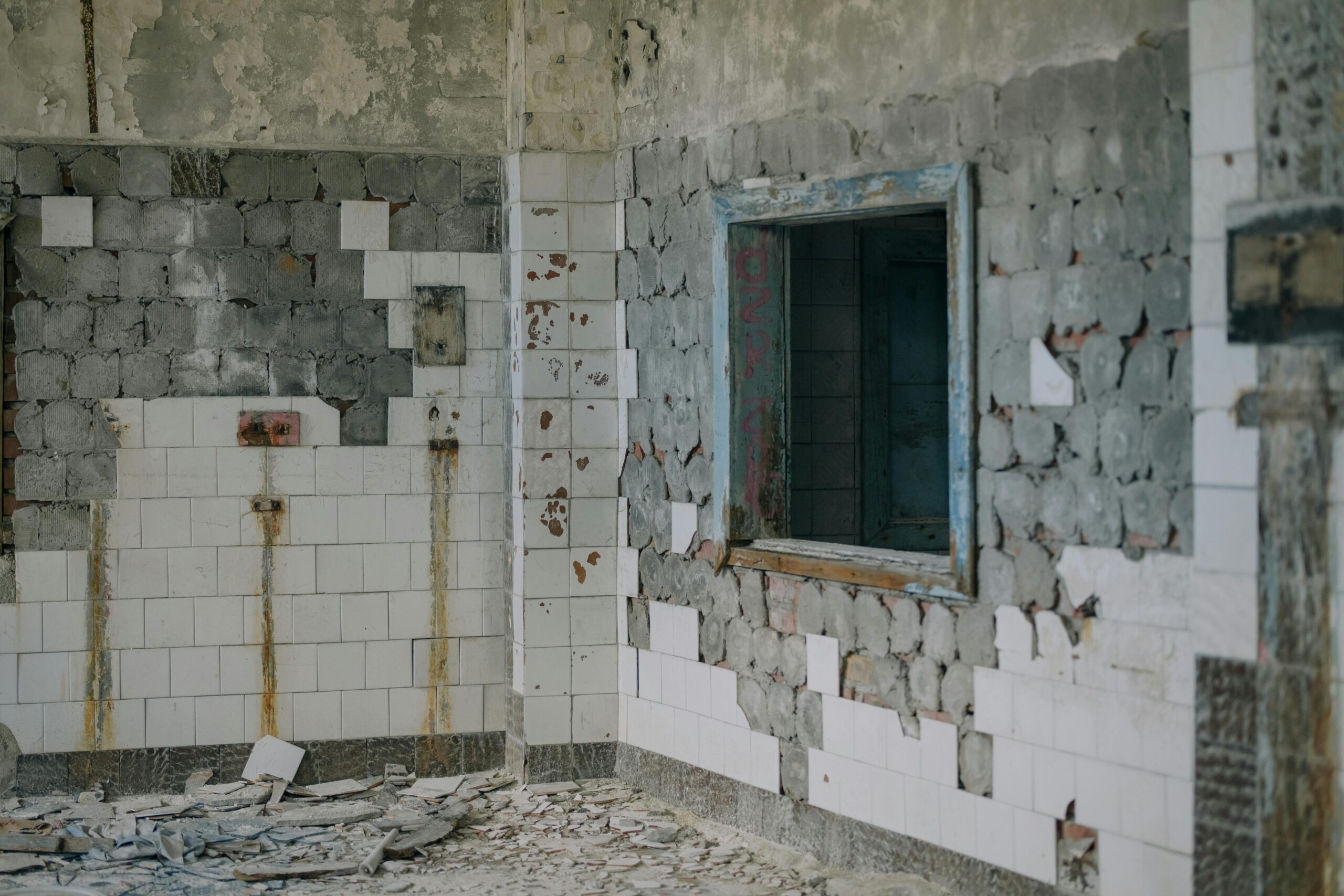
The haunting quality of these spaces often stems from the traces of former presence. A chair positioned at an odd angle, wallpaper patterns that speak of different decades, scratches on wooden floors that tell stories of furniture moved and lives rearranged—these remnants create a dialogue between past and present. We become archaeological detectives, reading the room’s history through its physical vocabulary.
The Liminal Nature of Absence
Silent spaces occupy a liminal territory—they exist between states, between occupancy and abandonment, between memory and forgetting. This in-between quality gives them their peculiar power. They’re not quite dead, as architecture retains the imprint of human habitation, yet they’re no longer alive with the energy of daily use.
This liminality creates what anthropologists call “threshold experiences”—moments when we’re suspended between two realities. In empty rooms, we stand between the world of human bustle and the realm of pure space. This position can be profoundly contemplative, forcing us to confront questions about permanence, identity, and the marks we leave on our environment.
📸 Visual Language of Emptiness
Photographers have developed an entire aesthetic vocabulary around capturing silent spaces. The genre has produced some of the most haunting and memorable images in contemporary art. From the abandoned mansions documented by urban explorers to the pristine minimalist interiors featured in design magazines, empty rooms provide endless visual fascination.
Light becomes the protagonist in these spaces. Without furniture to break up the room or people to draw the eye, natural light streaming through windows creates dramatic compositions. Shadows elongate across bare floors, window frames cast geometric patterns on walls, and the changing quality of daylight transforms the same space throughout the hours.
Color, or often the lack of it, plays a crucial role in conveying the mood of vacant spaces. Peeling paint reveals layers of past color choices, each representing a different era and different occupants. Faded wallpaper speaks of decades past, while dust coating surfaces creates a muted palette that softens hard edges and adds temporal depth to the scene.
Architectural Elements Revealed
When rooms empty, their architectural bones become visible. We notice the proportions of spaces, the rhythm of windows, the quality of craftsmanship in moldings and fixtures. Without the distraction of furnishings and personal belongings, we can appreciate the structure’s fundamental design—or recognize its flaws.
This revelation can be particularly striking in older buildings. Victorian homes reveal their ornate ceiling medallions and intricate woodwork. Mid-century modern structures showcase their clean lines and geometric precision. Industrial spaces display their raw materials—brick, steel, concrete—in honest, unadorned form.
The Cultural Significance of Abandoned Spaces
Our collective fascination with empty and abandoned spaces reflects broader cultural anxieties and interests. In an era of constant connectivity and information overload, silent spaces offer a form of respite. They represent a world without digital noise, without the demands of modern life pressing in from all sides.
The abandonment of buildings also tells economic and social stories. Empty factories speak to deindustrialization, vacant homes to housing crises or demographic shifts, closed schools to changing populations. These spaces become monuments to social change, physical manifestations of economic forces and policy decisions that shape communities.
In some contexts, empty spaces have become political statements. Squatters occupy abandoned buildings to protest housing inequality. Artists transform vacant warehouses into galleries, challenging notions of property and public space. These actions reactivate silent spaces, filling them with new purpose while acknowledging their state of abandonment.
🎭 The Emotional Spectrum of Empty Rooms
The emotional impact of silent spaces varies dramatically based on context and personal experience. An empty childhood home evokes nostalgia and loss. A vacant hospital room might trigger anxiety or relief. A pristine, unfurnished apartment represents potential and new beginnings. Each scenario demonstrates how absence carries different emotional weights.
For many people, empty spaces trigger a sense of melancholy or longing. This response connects to our fundamental need for human connection and community. Spaces designed for habitation but currently vacant remind us of isolation, of the temporary nature of our presence in any location. They can feel like abandoned stages, waiting for actors who may never return.
Conversely, some individuals find empty rooms profoundly peaceful. The absence of clutter translates to mental clarity. The silence becomes meditative rather than oppressive. Minimalist movements in design and lifestyle embrace this perspective, seeing empty space not as lack but as intentional openness, as room for breath and thought.
Memory and Ghost Stories
Empty rooms naturally invite ghost stories and supernatural interpretations. Our tendency to sense presence in absence has deep roots. When we hear a creak in an empty house or notice a shadow shift in a vacant room, our imagination fills the void with explanations—often supernatural ones.
This phenomenon reflects more than superstition. It demonstrates how thoroughly spaces become associated with the people who inhabited them. A grandmother’s empty apartment still carries her presence in memory, making every visit feel haunted not by ghosts but by the weight of absence. The room remembers what was, even when nothing visible remains.
Silent Spaces in Literature and Film
Writers and filmmakers have long understood the dramatic potential of empty spaces. In literature, vacant rooms serve as powerful metaphors for psychological states—depression, grief, loneliness, or transformation. Descriptions of empty spaces often mirror characters’ internal landscapes, using environmental detail to convey emotional reality.
Cinema exploits the visual power of empty rooms to create mood and tension. Horror films use vacant spaces to generate unease, the camera lingering on empty doorways and dark corners where anything might lurk. Art films employ long takes of empty interiors to create contemplative spaces for viewers, slowing narrative pace to encourage reflection.
Classic examples abound across genres. The overlook hotel’s empty corridors in “The Shining” become characters themselves. The abandoned spaces in post-apocalyptic films like “28 Days Later” transform familiar cityscapes into alien landscapes. Even romantic comedies use empty apartments as blank slates, representing fresh starts and new possibilities.
🏛️ Preservation and Documentation
As awareness grows about the cultural value of abandoned spaces, preservation efforts have increased. Organizations document vacant buildings before they’re demolished, creating archives of architectural history. Photographers race against time to capture spaces before they’re razed or renovated beyond recognition.
This documentation serves multiple purposes. It preserves architectural details that might otherwise be lost. It creates historical records of communities and industries that have transformed or disappeared. It provides researchers with material for studying social change, urban development, and cultural evolution.
The digital age has democratized this preservation work. Amateur photographers share images of abandoned spaces on social media platforms, creating vast informal archives. Virtual reality technology now allows people to experience vacant spaces remotely, preserving not just images but spatial relationships and atmosphere.
The Minimalist Movement and Intentional Emptiness
Not all empty spaces result from abandonment or neglect. The minimalist movement has elevated intentional emptiness to an aesthetic and philosophical principle. Here, vacant space becomes a choice, a deliberate rejection of accumulation in favor of essential simplicity.
Minimalist interior design embraces the beauty of empty corners and bare surfaces. This approach draws inspiration from Japanese aesthetics, particularly the concept of “ma”—the meaningful void, the intentional pause, the space between things that gives form to what surrounds it. In this context, emptiness isn’t absence but presence of a different kind.
The psychological benefits of minimalist spaces have garnered scientific attention. Studies suggest that clutter-free environments can reduce stress, improve focus, and enhance overall wellbeing. The silent, simplified space becomes therapeutic rather than haunting, demonstrating how context and intention dramatically alter our experience of emptiness.
🌅 Light and Shadow: The Temporal Dimension
Empty rooms reveal the passage of time with particular clarity. Without furnishings to block or diffuse light, the sun’s daily journey becomes a visible performance. Dawn light creeps across floors, midday sun floods through windows, evening rays create long dramatic shadows, and night transforms spaces into mysterious darkness.
This temporal dimension adds another layer to the haunting quality of vacant spaces. They exist outside the structured time of human activity—no schedules, no routines, no markers of morning versus afternoon beyond natural light. Time becomes purely cyclical, following only celestial patterns, returning these spaces to a pre-human rhythm.
Seasonal changes also register more dramatically in empty rooms. Summer heat intensifies in bare spaces. Winter cold penetrates more deeply without insulation from furniture and textiles. Spring and autumn light creates different patterns and colors, painting walls with changing palettes throughout the year.
The Future of Silent Spaces
As urban populations grow and property values increase in many areas, truly abandoned spaces become increasingly rare in some regions while multiplying in others. Economic inequality creates concentrations of vacant buildings in struggling communities while other areas experience constant development pressure that eliminates empty spaces quickly.
Climate change and demographic shifts will likely produce more abandoned spaces in vulnerable regions. Rising sea levels may create new ghost towns. Economic migrations will leave behind vacant neighborhoods. These future silent spaces will carry their own stories, reflecting our current moment’s challenges and failures.
Meanwhile, intentional empty spaces—meditation rooms, sensory deprivation chambers, minimalist sanctuaries—may become more valued as antidotes to our overstimulated world. The silent space transforms from accidental to purposeful, from neglected to treasured. This shift suggests a growing cultural recognition of emptiness’s positive potential.
💭 Finding Personal Meaning in Absence
Ultimately, our response to silent spaces reveals something about ourselves. What we project onto empty rooms—fear or peace, sadness or possibility, haunting or healing—reflects our internal landscape. These vacant places become mirrors, showing us aspects of our psychology that busy, furnished spaces might obscure.
Engaging thoughtfully with empty spaces can become a practice of self-discovery. Spending time in vacant rooms, whether through actual visitation or photographic contemplation, allows us to confront feelings about impermanence, isolation, and our own eventual absence. This confrontation need not be morbid; it can cultivate appreciation for presence and connection.
The haunting beauty of rooms filled with absence invites us to pause, to notice, to feel. In a world that constantly demands our attention and productivity, these silent spaces offer something increasingly precious: permission to simply be, to exist without purpose or agenda, to experience the profound and complex emotions that emptiness evokes.
As we navigate lives filled with noise and distraction, perhaps we need more encounters with silent spaces. Not to dwell in emptiness permanently, but to visit occasionally, to reset our sensory baselines, to remember that absence and presence exist in eternal dialogue. The empty room teaches us to value what fills our spaces—and to recognize that sometimes, the most powerful presence is absence itself.
