
Anúncios
Absence is not merely emptiness—it’s a powerful force that sculpts meaning, drives narratives, and defines what it means to be human in a world constantly shaped by what isn’t there.
🌌 The Paradox of Nothing: How Absence Creates Presence
We live in a world obsessed with presence. Social media feeds overflow with images of what people have, where they’ve been, and who they’re with. Yet beneath this constant display of existence lies a more profound truth: absence is what gives presence its meaning. The empty chair at the dinner table speaks louder than the filled ones. The silence between musical notes creates the rhythm. The space around a sculpture defines its form.
Absence functions as an invisible architect, constructing the frameworks through which we understand reality. When someone leaves a room, their departure creates a void that paradoxically makes us more aware of their significance. This phenomenon extends beyond physical presence into the realms of storytelling, emotional psychology, and cultural memory.
Philosophers have long grappled with the concept of nothingness. Martin Heidegger explored how “being” only becomes meaningful when contrasted with “non-being.” Jean-Paul Sartre examined absence as a fundamental component of consciousness itself. These intellectual explorations reveal that absence isn’t simply the lack of something—it’s an active force that shapes perception and meaning.
📖 The Narrative Power of What’s Missing
Every compelling story relies on absence. The hero’s lost parent, the detective’s missing clue, the lover’s departed beloved—these absences drive plots forward with relentless momentum. Writers understand that what they leave out is often more powerful than what they include.
Ernest Hemingway pioneered the “iceberg theory” of writing, suggesting that the deeper meaning of a story should remain beneath the surface, unsaid but powerfully present. In his short story “Hills Like White Elephants,” the word “abortion” never appears, yet the entire narrative revolves around this absent presence. The technique creates a tension that engages readers more deeply than explicit exposition ever could.
The Architecture of Suspense
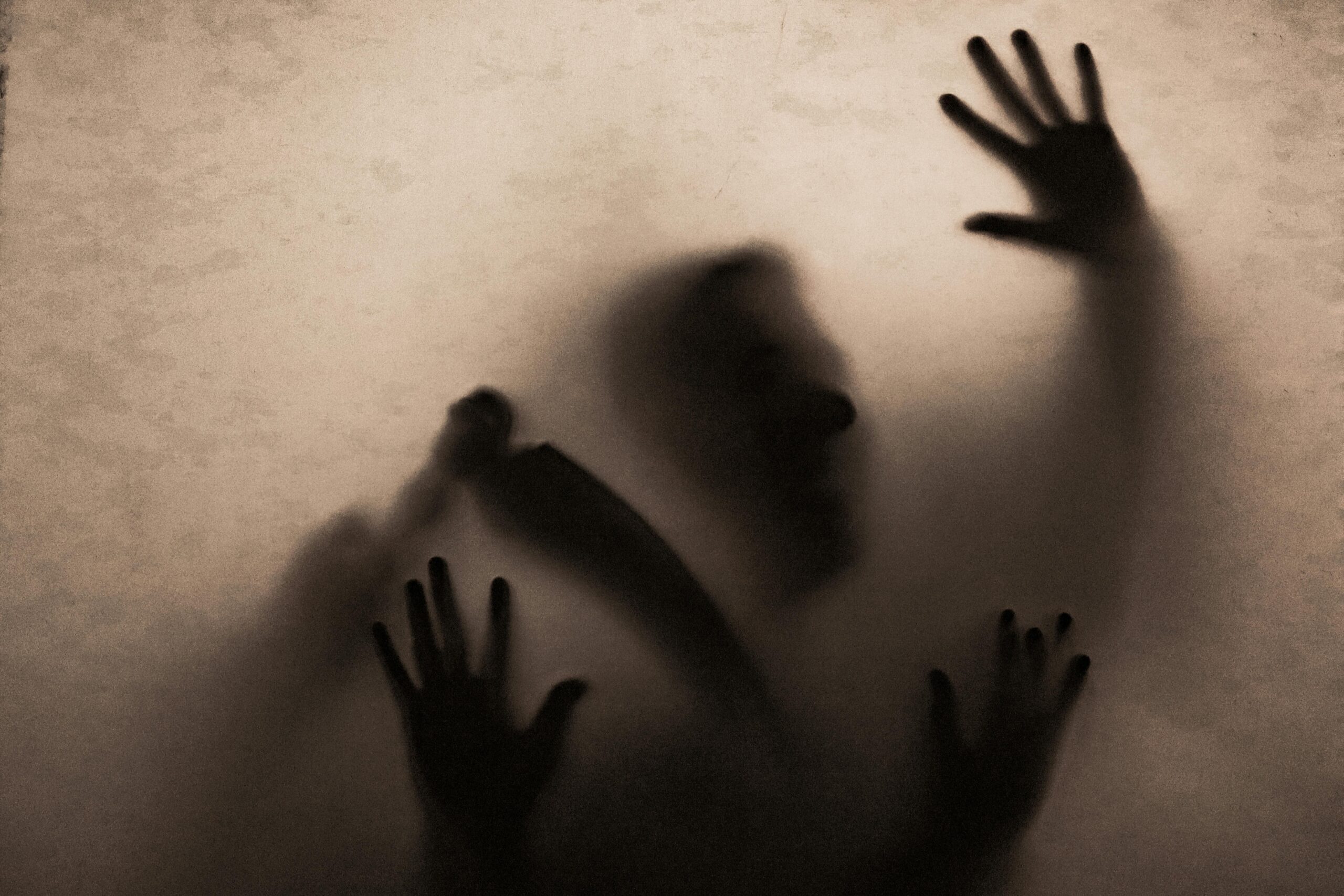
Horror and thriller genres masterfully exploit absence to create fear and anticipation. The monster we don’t see terrifies us more than the one fully revealed. Alfred Hitchcock understood this principle intimately, keeping threats off-screen or partially hidden, allowing our imaginations to conjure fears more potent than any special effect.
This narrative strategy works because our minds are prediction machines, constantly filling in gaps and anticipating possibilities. When information is withheld, our brains work overtime to complete the picture, creating emotional engagement that presence alone cannot achieve.
💔 Emotional Landscapes Carved by Loss
Grief is perhaps the most profound human experience of absence. When we lose someone we love, we don’t simply miss their presence—we encounter absence as a tangible, overwhelming force that reshapes our entire world. The psychology of bereavement reveals how absence can be more present than presence itself.
Psychologists identify several dimensions of loss that extend beyond simple physical absence. There’s the loss of future possibilities—the conversations that will never happen, the experiences that will never be shared. There’s the loss of identity—when someone who defined part of who we are disappears, we must reconstruct ourselves around that void.
The Phantom Limb of Relationships
Just as amputees experience phantom limb syndrome, people who’ve lost relationships often experience “phantom relationship” phenomena. They reach for their phone to share something with someone who’s no longer there. They prepare to say goodnight to someone who won’t be home. These habitual gestures toward absence reveal how deeply relationships are embedded in our neural pathways and daily routines.
The neuroscience of loss shows that social pain activates the same brain regions as physical pain. When someone important is absent from our lives, we experience genuine suffering that registers in our biology. This scientific validation of emotional pain underscores how absence operates as a real, measurable force in human experience.
🎨 Creative Spaces: Where Absence Becomes Art
Artists across disciplines have explored absence as a creative medium. Minimalist painters use negative space to define form. Composers employ silence to structure sound. Photographers frame emptiness to emphasize subject matter. In each case, absence functions not as lack but as substance.
Japanese aesthetics formalized this principle in concepts like “ma”—the space between things—and “yohaku”—the beauty of emptiness. Traditional Japanese art deliberately incorporates blank spaces that Western observers might perceive as unfinished. These empty areas aren’t oversights; they’re essential components that allow the mind to rest, reflect, and complete the artistic experience.
The Sculpture of Void
Contemporary sculptors like Anish Kapoor create works that engage directly with absence and void. His famous “Cloud Gate” in Chicago functions as much through reflection and negative space as through its physical presence. These artworks challenge viewers to contemplate emptiness as a subject worthy of attention and meditation.
In literature, the “unsaid” creates layers of meaning that explicit statement cannot achieve. The pauses in Samuel Beckett’s plays speak volumes. The gaps in Virginia Woolf’s narrative structure mirror the fragmentary nature of consciousness itself. These artistic strategies demonstrate that absence can be sculpted, shaped, and wielded with as much precision as any tangible medium.
🧠 Cognitive Science of the Missing
Our brains are extraordinarily attuned to absence. Pattern recognition—one of our most fundamental cognitive abilities—depends on noticing what’s missing as much as what’s present. When something expected doesn’t occur, our attention immediately focuses on that absence, often triggering problem-solving behaviors.
The Zeigarnik effect demonstrates how incomplete tasks occupy our mental space more persistently than completed ones. The absence of closure creates psychological tension that demands resolution. This cognitive principle explains why cliffhangers in television shows keep viewers returning, and why unfinished business haunts us more than settled matters.
Absence in Memory Formation
Memory research reveals that we often remember absences more vividly than presences. The disappointment of a birthday party where someone important didn’t show up may overshadow the presence of everyone who attended. This negativity bias helped our ancestors survive by prioritizing threat detection—the absent predator was more important to track than the present landscape.
Yet this same mechanism can distort our perception of reality. We may fixate on what’s missing in our lives—the job we didn’t get, the relationship that ended, the opportunity that passed—while overlooking abundant presences. Understanding this cognitive tendency helps us reframe our relationship with absence in healthier, more balanced ways.
👥 Cultural Memory and Collective Absence
Societies are shaped as much by what they’ve lost as by what they possess. Cultural trauma—from genocide to natural disasters—creates collective absences that reverberate through generations. Holocaust memorials don’t attempt to recreate what was lost; they honor absence itself, creating spaces for contemplation of irreplaceable loss.
The Vietnam Veterans Memorial in Washington, D.C., exemplifies this approach. Rather than glorifying war through heroic statuary, Maya Lin’s design creates a reflective black wall inscribed with names—a minimalist meditation on absence and loss. Visitors see their own reflections alongside the names of the dead, creating a powerful encounter between presence and absence.
Language and the Unnamed
Every language contains absences—concepts that exist in some cultures but not others, experiences that lack words in certain linguistic systems. These absent terms reveal different ways of organizing reality. The fact that ancient Greek had no word for “blue” suggests they perceived color differently than we do. What’s absent from language shapes what’s possible to think and communicate.
Indigenous communities that have lost their languages experience a profound form of cultural absence. When a language dies, it takes with it unique ways of understanding the world, organizing knowledge, and expressing human experience. This linguistic absence represents an irreplaceable gap in human cultural diversity.
💫 The Spiritual Dimensions of Emptiness
Many spiritual traditions position absence or emptiness as the ultimate reality. Buddhist philosophy teaches that “śūnyatā” (emptiness) is the true nature of existence—that all phenomena lack inherent existence and arise through interdependence. This isn’t nihilism but rather a sophisticated understanding of how absence enables presence.
Christian mysticism speaks of the “via negativa”—the way of negation—which approaches the divine by describing what God is not rather than what God is. This apophatic theology recognizes that ultimate reality may be better approached through absence than presence, through silence rather than speech.
Meditation and the Practice of Absence
Contemplative practices across traditions cultivate experiences of absence—absence of thought, absence of ego, absence of distraction. These practices reveal that absence isn’t empty; it’s full of potential, awareness, and presence of a different quality. The silence achieved in deep meditation isn’t nothing; it’s a rich, textured experience that practitioners describe as profoundly meaningful.
Modern neuroscience is beginning to map what happens in the brain during these states. Default mode network activity decreases, creating what meditators experience as a dissolution of the separate self. This neurological absence corresponds to reports of expanded awareness and connection—suggesting that absence at one level creates presence at another.
🔄 Absence in Relationships and Social Dynamics
The saying “absence makes the heart grow fonder” captures a psychological truth: temporary separation can intensify connection. When someone is absent, we may appreciate them more deeply, idealize them, or realize how much they contribute to our lives. This dynamic plays out in romantic relationships, friendships, and family bonds.
However, prolonged absence can also erode relationships. The “out of sight, out of mind” phenomenon demonstrates how sustained lack of contact weakens emotional bonds. Modern communication technology attempts to bridge physical absence, but research shows that digital presence cannot fully substitute for embodied co-presence.
The Politics of Invisibility
Social absence operates as a form of power. Marginalized groups experience systematic erasure—their stories untold, their contributions unacknowledged, their needs unaddressed. This enforced absence isn’t accidental; it serves political functions, maintaining existing power structures by rendering certain people and perspectives invisible.
Activism often involves making absent voices present. Civil rights movements, feminist organizing, and LGBTQ+ advocacy all work to bring hidden experiences into visibility, to name what has been unnamed, to tell stories that have been suppressed. These efforts recognize that absence isn’t neutral—it’s often deliberately constructed and maintained.
🌟 Embracing Absence as Wisdom
Learning to work skillfully with absence may be one of life’s essential competencies. Rather than constantly filling every gap, solving every problem, or replacing every loss immediately, what if we learned to dwell in absence when appropriate? What if we recognized that some spaces are meant to remain open?
The compulsion to fill silence with noise, solitude with company, or empty schedules with activities may reflect discomfort with absence itself. Cultivating capacity to tolerate and even appreciate absence—whether in conversation, daily routine, or interior experience—can lead to deeper peace and more authentic presence when we do engage.
Absence teaches us that not everything needs to be filled, completed, or resolved. Some questions are meant to remain open. Some losses cannot and should not be replaced. Some spaces function better empty than filled. This wisdom doesn’t come naturally in cultures that emphasize productivity, consumption, and constant stimulation, but it may be essential for psychological health and spiritual depth.
🎭 The Final Word on What Isn’t Said
Throughout human experience—in stories we tell, emotions we feel, art we create, and meanings we construct—absence operates as a generative force. It isn’t simply lack or deficiency but rather an active principle that shapes reality in partnership with presence. The invisible space around objects defines their boundaries. The silence between words creates meaning. The gaps in narratives engage imagination.
Understanding absence as a force rather than a void transforms how we navigate loss, appreciate art, construct narratives, and live our daily lives. When we recognize that what’s missing matters as much as what’s present, we develop more nuanced perception and deeper wisdom.
The human experience is fundamentally shaped by this dance between presence and absence, fullness and emptiness, what is and what isn’t. Neither pole exists independently; each defines and creates the other. In this interplay, we find not just the structure of stories and emotions, but the very texture of existence itself—a texture woven from both substance and space, sound and silence, being and non-being.
Perhaps the greatest insight about absence is that it cannot be separated from presence. They are not opposites but complements, not enemies but partners in the ongoing creation of meaning. Every presence implies an absence; every absence makes presence possible. In honoring both, we honor the full complexity of being human in a world perpetually shaped by forces both seen and unseen. ✨
