
Anúncios
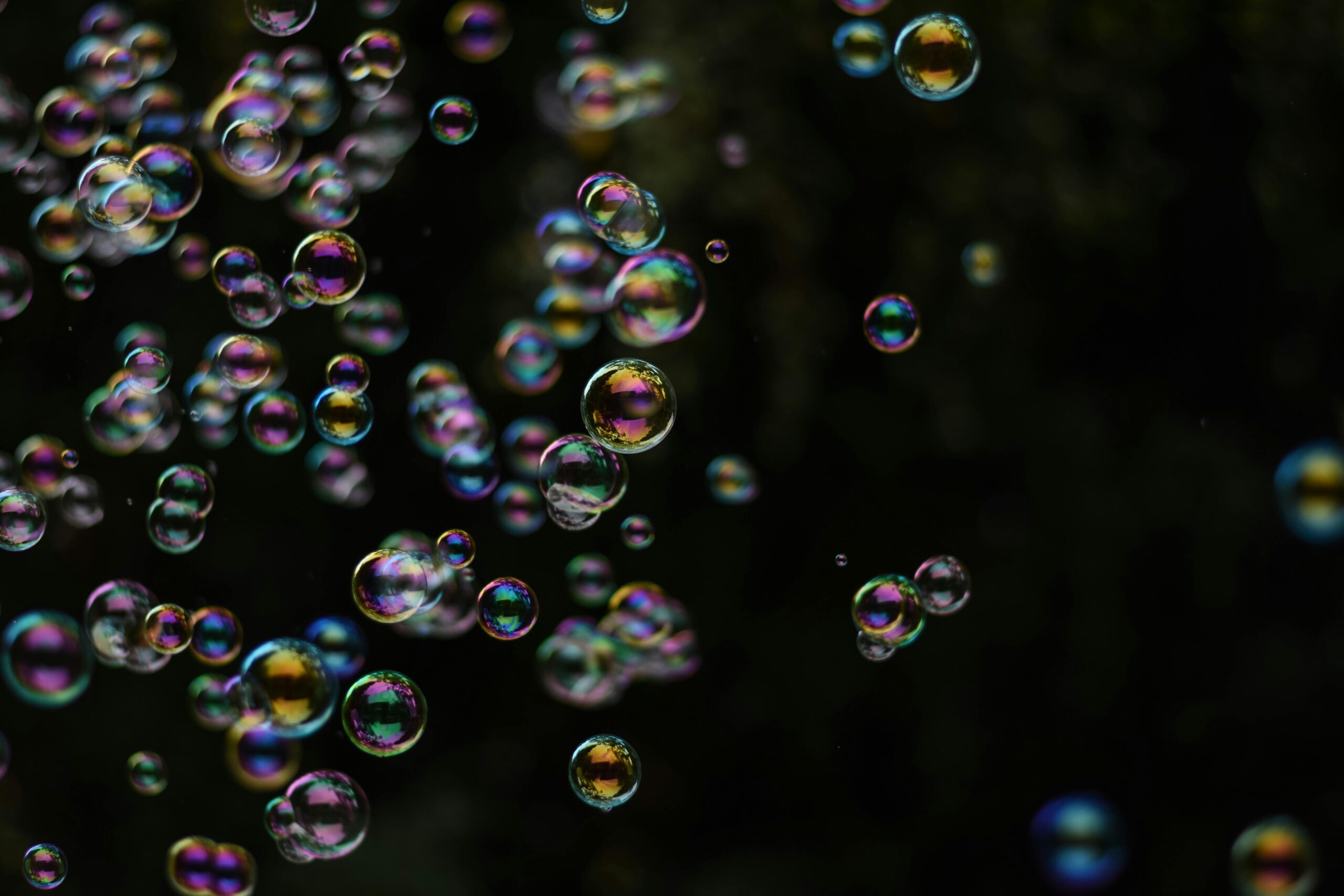
We’ve all experienced those perfect moments that vanish before we can fully grasp them—a burst of laughter, a stunning sunset, or an unexpected connection that leaves us wanting more.
Why the Best Moments Feel Like They’re Slipping Through Our Fingers ✨
There’s something profoundly bittersweet about joy that doesn’t last. We reach for it, savor it briefly, and then watch it dissolve like sugar in water. These fleeting moments of bliss—whether it’s the euphoria of a first kiss, the warmth of a compliment that catches us off guard, or the simple pleasure of a perfect cup of coffee on a quiet morning—seem designed to escape our grasp just when we want to hold them forever.
The transient nature of happiness isn’t a design flaw in our existence; it’s actually what makes these moments so precious. When we understand why joy slips away and how to appreciate it while it lasts, we can transform our relationship with happiness itself. Instead of mourning its departure, we can learn to celebrate its arrival, however brief.
The Science Behind Momentary Happiness 🧠
Neuroscience offers fascinating insights into why our most joyful experiences seem to evaporate so quickly. Our brains are wired for survival, not sustained happiness. The dopamine rush we experience during pleasurable moments is intentionally short-lived—it’s meant to motivate us to seek out new experiences and avoid complacency.
Research in hedonic adaptation shows that humans quickly return to a baseline level of happiness, regardless of positive or negative events. This phenomenon, sometimes called the “hedonic treadmill,” explains why even winning the lottery or achieving a long-sought goal provides only temporary elevation in our mood. Our neural circuits literally adjust to new circumstances, making what once felt extraordinary become ordinary.
The prefrontal cortex, responsible for memory and anticipation, plays a crucial role in how we experience fleeting joy. We often remember the anticipation of an event more vividly than the event itself, and we recall the emotional peaks rather than the duration. This creates a peculiar paradox: the moments we want to last forever are sometimes the ones we remember as being shorter than they actually were.
The Role of Attention in Capturing Joy
Our divided attention in the modern world significantly impacts how we experience moments of bliss. When we’re scrolling through our phones during a beautiful sunset or thinking about tomorrow’s meeting during a conversation with a loved one, we’re not fully present. This partial engagement means the joy available to us is diluted before it even has a chance to register fully.
Studies on mindfulness demonstrate that people who practice present-moment awareness report experiencing positive emotions more intensely and for longer durations. The paradox is that trying too hard to capture a moment can actually make it slip away faster—like trying to hold water in your fist by squeezing tighter.
The Hidden Beauty in Impermanence 🌸
Eastern philosophies have long embraced the concept of impermanence as not just inevitable but beautiful. The Japanese aesthetic principle of “mono no aware” describes the bittersweet awareness of the transience of things—a gentle sadness mixed with appreciation for beauty precisely because it’s fleeting.
Cherry blossoms, celebrated throughout Japanese culture, bloom magnificently for only a brief period each year. Their beauty is amplified, not diminished, by their temporary nature. This perspective invites us to reconsider our Western tendency to grasp at permanence and instead find meaning in the ephemeral.
When we accept that our happiest moments are meant to be temporary, we release ourselves from the suffering that comes with trying to hold onto them. This doesn’t mean we become passive or stop pursuing joy—rather, we learn to experience it more fully while it’s here, knowing that its departure makes room for new experiences.
Common Moments of Fleeting Bliss We All Recognize 💫
Some experiences are universally recognized as beautiful precisely because they’re brief. Understanding the patterns in these moments can help us appreciate them more consciously when they arrive.
- The first sip of morning coffee: That initial warmth and flavor that subsequent sips never quite match
- Spontaneous laughter: The kind that erupts unexpectedly and leaves your stomach aching in the best way
- Recognition and praise: The warm glow of being seen and appreciated by someone whose opinion matters
- Musical moments: When a song hits differently, giving you chills that last only seconds
- Connection with strangers: Brief conversations that feel meaningful, knowing you’ll likely never see that person again
- Physical relief: The moment you take off uncomfortable shoes or finally scratch an itch
- Aesthetic encounters: Witnessing unexpected beauty—a perfect cloud formation, light hitting a building just right
The Romance of Temporary Connections
There’s something uniquely poignant about connections that we know won’t last. A conversation with a seatmate on a long flight, a vacation friendship, or the intimacy of sharing an experience with strangers at a concert—these relationships exist outside our normal social structures and carry a freedom that permanent relationships sometimes lack.
We share parts of ourselves more freely when we know there’s no future accountability. These brief encounters can be profoundly honest in ways that enduring relationships sometimes aren’t. The knowledge that the moment is temporary removes the pressure of maintaining appearances or building toward something, allowing genuine presence.
Why We Struggle to Hold Onto Joy 😔
Our inability to sustain blissful moments isn’t just neurological—it’s also psychological and cultural. Modern life presents unique challenges to experiencing and retaining joy that our ancestors didn’t face in the same ways.
The comparison trap facilitated by social media creates a constant backdrop of inadequacy. When we experience a moment of happiness, our minds quickly jump to questioning whether it’s “enough” or how it measures up to others’ experiences. This meta-awareness pulls us out of the experience itself, shortening the duration of genuine enjoyment.
Additionally, our productivity-obsessed culture teaches us that moments without tangible output are wasteful. We feel guilty for sitting and watching clouds or taking an extra minute to enjoy our food. This internalized pressure to always be “doing” prevents us from simply “being” in moments of joy.
The Photography Paradox
We’ve become obsessed with documenting our experiences, paradoxically diminishing them in the process. Research shows that taking photos during an experience can interfere with memory formation and reduce enjoyment of the moment itself. We’re so focused on capturing it for later that we miss it in the present.
Yet photography isn’t inherently problematic—it’s our relationship with it that matters. Taking a single intentional photo can enhance memory and appreciation, while constantly photographing from multiple angles to get the perfect shot for social media pulls us out of the experience entirely.
Strategies for Savoring Fleeting Moments More Fully 🌟
While we can’t make joyful moments last forever, we can deepen our experience of them while they’re happening. These practices don’t require special tools or extensive training—just intention and practice.
The Five Senses Technique: When you notice a moment of joy, deliberately engage each sense. What do you see, hear, smell, taste, and feel? This multisensory engagement creates richer memories and extends the subjective experience of the moment.
Mental Photography: Instead of reaching for your phone, take a “mental picture.” Pause, really look at what’s before you, and consciously tell yourself “I’m taking this in.” This creates a bookmark in your memory while keeping you present.
Gratitude Acknowledgment: Silently or aloud, acknowledge the moment: “This is wonderful” or “I’m grateful for this.” This simple recognition deepens appreciation without pulling you out of the experience.
The Letting Go Practice: Paradoxically, accepting that the moment will end helps us experience it more fully. Tell yourself, “This is temporary, and that’s okay.” This removes the anxiety of grasping and allows fuller presence.
Creating Conditions for Spontaneous Joy
While we can’t manufacture genuine moments of bliss, we can create conditions where they’re more likely to occur. This involves both external environment and internal state management.
Reducing chronic stress through adequate sleep, regular movement, and strong social connections creates a baseline from which joy can emerge more easily. When we’re exhausted or isolated, even objectively pleasant experiences fail to register as joyful.
Building margins into our schedules—blank spaces with no plans—allows room for unexpected delights. The best moments often can’t happen when we’re rushing from one obligation to another. Spaciousness is the soil in which spontaneous joy grows.
The Gift of Memory: Reclaiming Past Joy 📖
While moments themselves are fleeting, their echoes can provide sustained warmth. The way we remember and revisit joyful experiences significantly impacts our overall well-being and happiness levels.
Neuroscientific research on memory reconsolidation reveals that each time we recall a memory, we slightly alter it. This means we can intentionally savor past moments of joy through reminiscence, actually enhancing their positive impact on our current mood. Keeping a joy journal where you record brief moments of happiness creates an archive you can return to during difficult times.
Sharing memories with others who were present reinforces and enriches them. The social act of reminiscing—”Remember when we…”—strengthens both the memory and the relationship, creating joy in the present moment from past experiences.
Anticipation as Its Own Form of Bliss
Interestingly, anticipating positive experiences can provide as much or more happiness than the experiences themselves. Planning a vacation, looking forward to seeing a friend, or counting down to a special event generates sustained positive emotion in a way the actual event might not.
This suggests a strategy for extending the benefits of fleeting joy: creating things to look forward to. By maintaining a calendar of anticipated positive experiences, we can generate ongoing happiness from future moments that haven’t even occurred yet.
When Fleeting Becomes Meaningful 💝
Not all brief experiences feel fleeting in the negative sense. Some quick moments carry such weight that they seem to expand time itself. Understanding what makes certain brief experiences feel complete rather than cut short can help us cultivate more of them.
Moments that feel meaningful rather than merely fleeting tend to share certain characteristics: they involve genuine connection, align with our values, surprise us positively, or reveal something true about ourselves or the world. A three-minute conversation can feel more substantial than a three-hour event if it touches something deep.
The intensity of an experience matters more than its duration. A brief moment of feeling truly seen and understood by another person can sustain us through weeks of ordinary interactions. These concentrated doses of meaning demonstrate that depth, not length, determines significance.
Making Peace with the Passing 🕊️
Ultimately, learning to appreciate fleeting bliss is about making peace with impermanence itself—one of life’s fundamental truths. Everything changes, everything passes, and trying to freeze moments in time causes suffering.
This doesn’t mean adopting a fatalistic or passive stance toward life. Rather, it means developing what psychologists call “tragic optimism”—the ability to maintain hope and find meaning despite the inevitable difficulties and losses that characterize human existence.
The moments that slip away too soon are teaching us something essential: that life is happening right now, not in some future when conditions are perfect or in a past we can never reclaim. Those fleeting instances of joy are invitations to wake up to the present moment, which is the only place where life actually occurs.
When we truly absorb this lesson, we discover something remarkable: the moments stop feeling quite so fleeting. Not because they last longer in clock time, but because we’re fully present for them. And presence, as it turns out, is the secret to experiencing time as abundant rather than scarce.
The bliss may still slip away—it always does—but we’ll have been there to meet it fully, to welcome it without grasping, and to release it without regret. That ability to be with our joy while it lasts, however briefly, transforms not just the moment itself but our entire relationship with being alive. 🌅
