
Anúncios
Behind every smile and routine interaction lies a complex landscape of emotions, struggles, and silent battles that rarely surface in our daily conversations. 💭
We live in a world where “How are you?” has become a ritualistic greeting rather than a genuine inquiry into someone’s wellbeing. The expected response—”I’m fine”—has become so automatic that it masks the reality of what many people experience beneath their composed exteriors. This phenomenon of hidden emotional turmoil existing alongside apparent normality deserves our attention, understanding, and compassionate exploration.
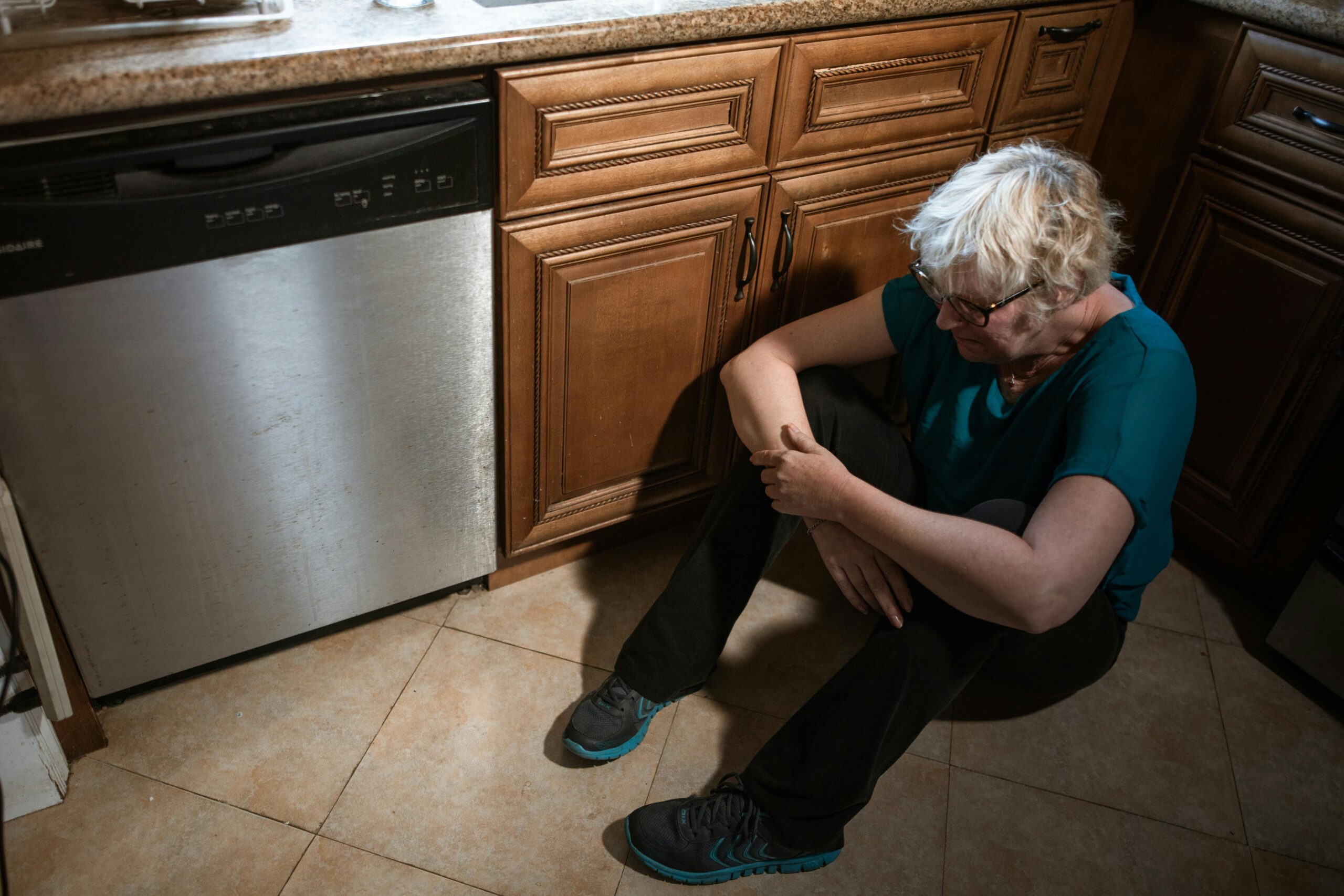
The silent pain that people carry while maintaining their everyday routines represents one of the most overlooked aspects of modern mental and emotional health. From the colleague who laughs at office jokes while battling anxiety, to the neighbor who waves cheerfully despite grieving a profound loss, countless individuals navigate their daily lives while managing invisible struggles that would surprise those around them.
The Masquerade of Modern Life 🎭
Our contemporary society has cultivated an environment where appearing “put together” is not just preferred—it’s expected. Social media amplifies this pressure, creating highlight reels of other people’s lives that make our own struggles feel even more isolating. The constant bombardment of curated perfection makes authenticity feel like vulnerability, and vulnerability like weakness.
This cultural backdrop creates what psychologists call “impression management”—the conscious or unconscious process of controlling how others perceive us. While some level of social filtering is normal and even healthy, the extreme version leaves little room for genuine expression of difficulty, pain, or struggle.
The workplace exemplifies this dynamic particularly well. Professional environments often demand emotional compartmentalization, where personal struggles must be checked at the door. Employees experiencing depression, grief, chronic illness, or family crises frequently feel compelled to maintain their professional personas, fearing that revealing their struggles might impact their career trajectory or how colleagues perceive their competence.
Types of Hidden Struggles That Walk Among Us
The spectrum of silent pain is vast and varied. Understanding the different forms these struggles take helps us recognize them in ourselves and others, fostering a more compassionate society.
Mental Health Battles Without Visible Symptoms
Depression doesn’t always look like someone who can’t get out of bed. High-functioning depression allows individuals to maintain their responsibilities while experiencing persistent sadness, emptiness, and loss of interest in life. These individuals often excel at their jobs, maintain social connections, and appear entirely capable—all while fighting an internal battle that drains their energy and joy.
Anxiety disorders similarly hide behind masks of competence. Someone might be a successful professional, a devoted parent, or an active community member while their mind constantly races with worst-case scenarios, their body tenses with inexplicable dread, and their nights are haunted by insomnia fueled by worry.
Physical Illnesses That Remain Invisible
Chronic pain conditions, autoimmune diseases, and invisible disabilities present unique challenges. People living with fibromyalgia, chronic fatigue syndrome, lupus, or similar conditions often hear phrases like “but you don’t look sick” or “you seemed fine yesterday.” This invalidation compounds their struggle, making them feel the need to prove their suffering while simultaneously hiding it to avoid skepticism or pity.
The unpredictable nature of many chronic conditions means someone might genuinely feel okay one day and be completely debilitated the next, creating a confusing picture for observers and leading to misunderstandings about the reality of their experience.
Relationship Struggles and Domestic Challenges
Behind closed doors, many individuals face relationship difficulties, domestic abuse, or family dysfunction that never surfaces in public view. The picture-perfect couple at the neighborhood barbecue might be on the verge of separation. The cheerful parent at school pickup might be navigating an abusive relationship or dealing with a child’s serious behavioral issues.
These struggles carry particular shame because of societal expectations around family happiness and relationship success. The stigma associated with admitting marital problems or parenting difficulties keeps many suffering in silence, believing they’ve somehow failed at what should come naturally.
The Psychology Behind Silence 🤫
Understanding why people hide their struggles requires examining the complex psychological, social, and cultural factors at play.
Fear of Judgment and Social Rejection
Humans are fundamentally social creatures with deep-seated needs for belonging and acceptance. The fear of being judged, rejected, or viewed differently drives much of our concealment behavior. This fear isn’t entirely unfounded—mental health stigma, though decreasing, still exists. People worry about being labeled as weak, unstable, or incompetent if they reveal their struggles.
Research consistently shows that despite increased awareness about mental health, discrimination persists in various forms. People have lost job opportunities, been passed over for promotions, faced discrimination in housing, and experienced relationship breakdowns after disclosing mental health conditions.
The Burden of Other People’s Discomfort
Many people remain silent about their struggles not just to protect themselves, but to protect others from discomfort. They’ve learned through experience that sharing pain often makes others uncomfortable, leading to awkward responses, well-meaning but unhelpful advice, or people simply distancing themselves from the negativity.
This phenomenon creates a perverse incentive structure where honesty is punished and performance is rewarded. People learn that keeping struggles private maintains their relationships and social standing, while openness risks making others uncomfortable and potentially losing support networks.
Internalized Beliefs About Strength and Independence
Cultural narratives around resilience, independence, and strength contribute significantly to silent suffering. Messages like “pull yourself up by your bootstraps,” “what doesn’t kill you makes you stronger,” and “mind over matter” suggest that struggling indicates personal weakness or insufficient effort.
These beliefs are particularly strong in individualistic cultures that emphasize personal responsibility and self-sufficiency. Asking for help or admitting difficulty conflicts with idealized notions of strength, creating internal shame that reinforces silence.
The Toll of Maintaining Appearances ⚖️
Constantly managing pain while projecting normalcy exacts a significant psychological and physical price. This dual existence—the internal reality versus the external presentation—creates what researchers call “cognitive dissonance,” the mental stress of holding two conflicting states simultaneously.
The energy required to maintain this facade is substantial. Emotional regulation, the process of managing and modifying emotional experiences and expressions, consumes significant cognitive resources. When people constantly suppress genuine feelings while performing expected emotional displays, they experience what psychologists call “emotional labor.”
This exhaustion isn’t just metaphorical. Studies show that chronic stress from hiding one’s true self correlates with numerous physical health problems including cardiovascular issues, weakened immune function, digestive problems, and sleep disturbances. The body literally bears the burden of secrets the mind works to keep.
The Paradox of Connection
Ironically, hiding struggles in order to maintain relationships often undermines those very relationships. Authentic connection requires vulnerability and honesty about our internal experiences. When we consistently present only our polished, managed selves, relationships remain superficial, and the support we might receive remains frustratingly out of reach.
This creates a vicious cycle: isolation intensifies suffering, suffering increases the desire to hide, hiding deepens isolation. Breaking this cycle requires courage to risk authenticity despite fears of rejection.
Recognition: Learning to See Beyond Surfaces 👁️
Becoming more attuned to the hidden struggles around us requires developing emotional intelligence and observational skills that look beyond surface presentations.
Subtle Signs That Someone Might Be Struggling
While everyone’s experience is unique, certain patterns often indicate hidden difficulties. Changes in behavior—like someone previously social becoming withdrawn, or typically punctual individuals frequently arriving late—can signal underlying struggles. Similarly, changes in appearance, like neglecting personal care that was previously maintained, might indicate depression or overwhelming stress.
Emotional inconsistencies also warrant attention. Someone who seems disproportionately upset by minor setbacks might be dealing with larger issues that the small incident simply triggered. Excessive apologizing, self-deprecating humor, or consistently deflecting conversations away from themselves can indicate low self-worth or hidden shame.
Physical manifestations like frequent headaches, digestive complaints, or general fatigue might reflect stress, anxiety, or depression rather than purely physical causes. The mind-body connection means emotional struggles frequently manifest through physical symptoms.
The Power of Gentle Inquiry
Creating space for authentic sharing begins with how we ask about others’ wellbeing. Moving beyond the automatic “How are you?” to more specific, genuine questions opens doors for honesty. Questions like “How are you really doing?” with meaningful eye contact, or “You seem a bit off lately—is everything okay?” signal that you’re genuinely interested and prepared for an honest answer.
Importantly, creating this space also means being prepared to sit with difficult answers. When someone does open up, resisting the urge to immediately problem-solve, offer platitudes, or change the subject demonstrates that their pain won’t drive you away.
Breaking the Silence: Pathways Toward Authenticity 🌟
For those carrying silent struggles, finding ways to acknowledge and address their pain represents crucial steps toward healing and wholeness.
Starting Small With Selective Vulnerability
Opening up about struggles doesn’t require broadcasting pain to everyone. Starting with one trusted person—a close friend, family member, therapist, or support group—allows for testing the waters of vulnerability in a relatively safe environment. Positive responses to small disclosures build confidence for broader openness.
Writing can serve as an intermediate step between complete silence and spoken disclosure. Journaling, blogging anonymously, or participating in online support communities allows expression without the immediate vulnerability of face-to-face sharing.
Professional Support as a Foundation
Mental health professionals provide confidential spaces specifically designed for authentic expression without judgment. Therapists, counselors, and psychologists are trained to hold space for difficult emotions and experiences, offering validation and tools for managing struggles.
The stigma around seeking therapy has decreased significantly, with many now viewing it as a proactive health practice rather than a last resort for severe problems. Therapy provides not just symptom management but also helps people understand their patterns, develop healthier coping mechanisms, and build resilience.
Reframing Strength and Vulnerability
Challenging internalized beliefs about strength requires recognizing that vulnerability itself represents courage. Brené Brown’s extensive research demonstrates that vulnerability is not weakness but rather the birthplace of connection, creativity, and change. Acknowledging struggles doesn’t make someone weak—hiding them while suffering alone actually requires tremendous, exhausting strength that could be better directed elsewhere.
True strength includes knowing when to ask for help, setting boundaries, and honoring one’s needs rather than always prioritizing others’ comfort. This reframing allows people to view their honesty as brave rather than shameful.
Creating Cultures of Compassionate Authenticity 🤝
Addressing hidden struggles isn’t solely an individual responsibility—it requires collective cultural shifts toward greater acceptance of human complexity and imperfection.
Workplace Initiatives That Matter
Organizations increasingly recognize that employee wellbeing directly impacts productivity, retention, and workplace culture. Progressive companies implement mental health days without requiring specific medical justifications, offer confidential counseling services, train managers to recognize and respond to signs of struggle, and create cultures where discussing challenges doesn’t carry career penalties.
These initiatives signal that employees are valued as whole people, not just productive units, creating environments where hiding struggles feels less necessary for survival.
Community-Level Support Systems
Communities can foster connection through support groups, mental health awareness campaigns, and spaces for authentic gathering. Faith communities, neighborhood organizations, and social clubs that move beyond superficial interaction to genuine mutual support reduce isolation and normalize discussing difficulties.
Peer support models, where people with lived experience of particular struggles support others facing similar challenges, provide powerful validation and practical guidance from those who truly understand.
The Ripple Effect of Authentic Living 🌊
When individuals courageously share their struggles, they create permission for others to do the same. Each person who breaks silence about depression, anxiety, grief, chronic illness, or other hidden challenges normalizes these experiences and reduces stigma incrementally.
Public figures increasingly share their mental health journeys, demonstrating that success and struggle coexist, that achievement doesn’t immunize against pain, and that seeking help represents wisdom rather than weakness. These narratives challenge the polished personas that social media and celebrity culture typically promote.
On more personal levels, when someone in a family, workplace, or friend group opens up about their struggles, it often creates a cascade effect where others feel safer sharing their own hidden challenges. What begins as one person’s courageous vulnerability becomes collective permission for authenticity.
Honoring the Complexity of Human Experience 💫
The hidden struggles beneath everyday normality remind us that human experience is infinitely more complex than external presentations suggest. Everyone we encounter is fighting battles we know nothing about, carrying burdens invisible to casual observation, and managing pain while maintaining their daily responsibilities.
This reality calls for a fundamental shift in how we approach one another—with curiosity rather than assumption, with compassion rather than judgment, with openness rather than expectation. It requires creating spaces where “I’m not okay” is an acceptable answer, where struggling doesn’t equal failing, and where needing support is recognized as part of the human condition rather than individual weakness.
The journey from silent suffering to authentic living isn’t linear or simple. It involves risks—of rejection, of judgment, of being misunderstood. But it also offers profound rewards: genuine connection, appropriate support, reduced isolation, and the relief of no longer maintaining exhausting facades.
As individuals, we can commit to both our own authenticity and to creating safety for others’ vulnerability. We can practice looking beyond surfaces, asking genuine questions, and sitting comfortably with difficult answers. We can share our own struggles when appropriate, normalizing the full spectrum of human experience rather than only its highlights.
Collectively, we can build cultures—in our families, workplaces, communities, and society broadly—that honor complexity, validate struggle, and recognize that normality itself contains multitudes. The goal isn’t to eliminate life’s difficulties, which are inevitable, but to ensure that people don’t face them in unnecessary isolation, believing they must maintain perfect facades while silently breaking.
Understanding the silent pain beneath everyday normality transforms how we move through the world. It adds layers of meaning to simple interactions, deepens our compassion, and reminds us of our shared humanity. Behind every “I’m fine” might be a story of resilience, courage, and quiet endurance that deserves recognition, support, and ultimately, the freedom to be authentically expressed. 🌈
