
Anúncios
We are not only defined by what we hold, but profoundly shaped by what we lose, what we never had, and the empty spaces we carry within.
The concept of absence as a defining force in human identity challenges our conventional understanding of selfhood. We typically imagine identity as something built from accumulation—experiences gained, relationships formed, achievements earned, and memories created. Yet, the gaps, losses, and voids in our lives often sculpt our sense of self more powerfully than anything we possess.
This exploration into the relationship between absence and identity reveals an uncomfortable truth: we are as much the product of what isn’t there as what is. The missing pieces don’t simply leave holes—they become part of the architecture of who we are, influencing our decisions, relationships, and the narratives we construct about ourselves.
🌑 The Psychology of Empty Spaces
Psychological research has long documented how absence registers in the human psyche differently than presence. When something is missing—whether a person, an opportunity, or an expected outcome—our minds don’t simply note its nonexistence and move on. Instead, absence creates a particular kind of cognitive and emotional terrain that we navigate throughout our lives.
The phenomenon known as counterfactual thinking illustrates this perfectly. We constantly imagine alternative versions of our lives based on what didn’t happen. The job we didn’t get, the relationship that ended, the parent who was absent—these become reference points that shape our current reality. We measure ourselves against the shadow of what could have been.
Neuroscience suggests that our brains process loss and absence through the same neural pathways associated with physical pain. This isn’t metaphorical—the absence of someone significant literally hurts. This pain becomes encoded in our neural architecture, subtly influencing how we approach future connections and vulnerabilities.
The void left by absence doesn’t remain empty. Over time, we fill these spaces with meaning, narrative, and compensatory behaviors. Someone who grew up without financial security might develop an intense relationship with money. A person who lost a parent early might become hyper-independent or, conversely, seek parental figures in every relationship.
📖 Absence as Narrative Foundation
The stories we tell about ourselves inevitably center on absences as much as presences. When we introduce ourselves, describe our motivations, or explain our choices, we’re often responding to something that isn’t there—something we’re seeking to fill, avoid, or honor.
Consider how often origin stories in literature, mythology, and even personal biographies revolve around absence. The orphaned hero, the lost homeland, the unrequited love, the unfulfilled potential—these absences become the driving force of narrative. They create tension, motivation, and meaning.
In our personal narratives, absences function similarly. “I didn’t have X, so I became Y” is perhaps the most common template for self-understanding. The absence becomes the explanation, the justification, and sometimes the excuse. It provides coherence to what might otherwise feel like random life events.
This narrative power of absence can be both liberating and limiting. It helps us make sense of our lives, but it can also trap us in stories where we’re forever defined by what we lack rather than what we possess or could create.
🔄 Cultural Variations in Embracing Absence
Different cultures relate to absence and void in remarkably distinct ways, shaping how individuals within those cultures construct identity around what’s missing.
Eastern philosophical traditions, particularly Buddhism and Taoism, have long embraced the concept of emptiness as essential rather than deficient. The Buddhist concept of śūnyatā (emptiness) doesn’t suggest nihilistic nothingness but rather a recognition that things lack inherent, independent existence. This perspective can transform how absence is experienced—not as loss but as space for possibility.
In Japanese aesthetics, the concept of ma refers to negative space, pause, or interval. It’s the silence between notes, the space between objects, the pause in conversation. This cultural appreciation for absence as valuable in itself offers a radically different framework than Western cultures that often fear and flee from emptiness.
Western cultures, particularly American culture, tend to emphasize accumulation, achievement, and presence. Gaps in resumes, periods of inactivity, or lack of conventional milestones can be viewed as failures or deficiencies. This creates particular challenges for those whose identities are shaped by absence—they must navigate a cultural context that doesn’t readily provide language or respect for their experience.
Indigenous cultures often maintain complex relationships with ancestral absence—honoring those who have passed while acknowledging their continued influence on living identity. This suggests that absence doesn’t necessarily mean disconnection; the absent can remain present in meaningful ways.
💔 Loss as Identity Transformation
Perhaps nowhere is the identity-shaping power of absence more evident than in experiences of significant loss. When we lose someone central to our lives, we don’t simply return to who we were before they existed—we become someone new, shaped by both their presence and their absence.
Grief researchers describe this phenomenon as “continuing bonds”—the ongoing relationship we maintain with those who have died. Their absence becomes a presence in our lives. We make decisions based on what they would have wanted, we hear their voices in our thoughts, we carry forward their values or deliberately reject them.
The identity category itself can shift following significant loss. A person becomes a widow or widower, an orphan, a survivor. These labels, which are defined entirely by absence, can become primary aspects of identity, influencing everything from social relationships to life priorities.
Traumatic loss creates particularly profound identity transformation. When absence is sudden, violent, or comes with complicated emotions, it can fracture identity into “before” and “after” versions of self. The person we were before the loss can feel like a different individual entirely.
Yet loss also creates opportunities for identity reconstruction. In the space left by absence, some people discover capacities, strengths, and aspects of themselves that presence had obscured. The widow who discovers her own competence, the adult child who finally individuates after a parent’s death—absence sometimes reveals what presence had hidden.
🎭 The Absent Parent and Identity Formation
Few absences shape identity as profoundly as that of a parent, whether through death, abandonment, or emotional unavailability. This particular void creates a unique developmental challenge, as the child must construct identity without a mirror that typically reflects back aspects of self.
Developmental psychology emphasizes the importance of attachment in identity formation. When attachment figures are absent, children must develop alternative strategies for self-understanding. Some idealize the absent parent, creating an imaginary relationship that influences their sense of self. Others define themselves in opposition to the absence, determined to be different from what they lacked.
The absent parent often becomes a kind of template or anti-template. “I’ll never be like them” or “I’ll give my children what I never had” become organizing principles for life choices. The absence thus exerts tremendous influence, sometimes more than presence would have.
Interestingly, research on resilience shows that some individuals transform parental absence into particular strengths—heightened empathy, independence, or determination. The void becomes not just a wound but also a forge where certain capacities are developed.
As absent-parent children become adults, they often face complex questions about their own identities. How much of who I am is a response to absence? If the wound were healed, who would I be? These questions can drive therapy, creative work, and life-long self-exploration.
🚪 Unfulfilled Potential and the Identity of “What If”
Beyond the absence of people, we carry the absence of unrealized versions of ourselves—the paths not taken, the talents undeveloped, the dreams deferred or abandoned. These absent selves haunt the corridors of identity.
Career changes, geographical moves, relationship choices—each decision creates multiple absent alternatives. The version of us who took the other job, married the other person, or moved to the other city continues to exist in our imagination, sometimes as a source of regret, sometimes as reassurance that we made the right choice.
For some, these absent potentials become sources of mourning. The musician who became an accountant may always carry a sense of lost identity. The person who wanted children but never had them might feel that a fundamental aspect of their intended self remains unrealized.
Yet these unrealized potentials can also provide motivation and meaning. The entrepreneur who failed multiple times before succeeding carries those absent successes as part of their identity—they’re someone who persisted despite absence. The person who narrowly avoided a catastrophic choice defines themselves partly by the disaster they escaped.
Midlife often brings increased confrontation with absent potentials. As time horizons narrow, the paths not taken become permanently unreachable, forcing a reckoning with the identity we actually have rather than the ones we imagined.
🧘 Embracing Void as Spiritual Practice
Spiritual traditions across cultures have developed practices specifically designed to help individuals embrace, rather than flee from, emptiness and absence. These practices suggest that void isn’t something to be filled but experienced and even cherished.
Meditation, at its core, is a practice of becoming comfortable with absence—the absence of distraction, stimulation, and the constant narrative activity of the mind. By sitting with emptiness, practitioners report discovering that the void isn’t terrifying or meaningless but rather spacious and potentially liberating.
The Christian mystical tradition speaks of the “dark night of the soul,” a period of profound spiritual absence where previous sources of meaning and connection seem to disappear. Rather than a failure, this absence is understood as a necessary passage toward deeper understanding and authentic faith.
Practices like fasting create temporary absence of something fundamental—food—as a way to heighten awareness and spiritual sensitivity. The hunger becomes a teacher, the absence a doorway to presence of a different kind.
Contemporary mindfulness practices often encourage “holding space” for difficult emotions rather than trying to fix or eliminate them. This psychological approach mirrors spiritual traditions in suggesting that absence, discomfort, and void can be approached with openness rather than avoidance.
💡 Creative Identity and Productive Emptiness
Artists, writers, and creators often speak of absence as the fundamental condition that makes creation possible. The blank page, the empty canvas, the silence before music—these voids aren’t obstacles but necessary preconditions for something new to emerge.
Many creative individuals describe their work as attempts to fill an absence—to create what they wished existed but didn’t find in the world. This absence becomes not just motivation but the very content of their identity. They are people defined by what they’re trying to bring into being precisely because it was absent.
The creative process itself requires embracing uncertainty and incompleteness, staying with the discomfort of not-yet-knowing. Artists must develop a particular relationship with void, learning to trust that absence is pregnant with possibility rather than simply empty.
This creative relationship with absence offers a model for identity formation more broadly. If we can view the gaps in our lives not as deficiencies but as spaces of potential, our relationship to absence transforms. We become not people diminished by what we lack but people shaped by unique configurations of presence and absence.
🔮 Redefining Wholeness Beyond Completion
The assumption underlying much of self-help culture is that wholeness means completion—filling all the gaps, healing all the wounds, resolving all the conflicts. But what if wholeness actually includes absence as a constituent element?
The Japanese art of kintsugi repairs broken pottery with gold, making the breaks and repairs visible and even beautiful. The object’s history of breakage becomes part of its identity and beauty. This offers a powerful metaphor for human identity: perhaps we’re not meant to hide or eliminate our absences but to acknowledge them as part of what makes us distinctively ourselves.
This perspective suggests that the goal isn’t to become someone without gaps, losses, or unrealized potentials, but rather to develop a relationship with absence that’s neither defined by denial nor overwhelmed by preoccupation. The absence is neither ignored nor all-consuming—it’s integrated.
Psychological research on post-traumatic growth demonstrates that many people who experience significant loss or trauma don’t simply “return to baseline” but develop new capacities, priorities, and sources of meaning. The absence becomes catalytic, not just catastrophic.
This reframing of wholeness challenges therapeutic models focused exclusively on symptom reduction. Perhaps the goal isn’t to eliminate the impact of absence but to develop wisdom about living with it, allowing it to shape us without defining us entirely.
🌱 Living Authentically With What Isn’t There
Ultimately, embracing the void means developing a more complex and truthful relationship with reality. We aren’t just the sum of our accomplishments, relationships, and possessions. We’re also shaped by roads not taken, people lost, potentials unrealized, and gaps we carry.
Authentic living requires acknowledging these absences rather than pretending they don’t matter or attempting to fill them with substitutes that don’t genuinely address the underlying void. This acknowledgment doesn’t mean wallowing in what’s missing, but rather allowing absence its proper place in the landscape of identity.
For some, this might mean grieving what was never possible in the first place—the childhood that couldn’t be relived, the parent who couldn’t change, the talent that required circumstances that never materialized. There’s a particular kind of loss in accepting that certain absences are permanent.
Yet there’s also freedom in this acceptance. When we stop organizing our lives entirely around filling voids, energy becomes available for other purposes. When we accept that certain gaps are simply part of our particular configuration of self, we can stop treating ourselves as perpetually deficient.
The question shifts from “How do I eliminate this absence?” to “How does this absence shape me?” and “What becomes possible precisely because of this empty space?” These questions open different possibilities than the endless attempt to become complete in conventional terms.
🎯 Practical Wisdom for the Void-Shaped Life
Understanding absence as identity-shaping is one thing; living with this understanding is another. Several practical approaches can help navigate the relationship between void and self.
First, developing a practice of naming absences can be surprisingly powerful. Rather than leaving them as vague sense of something missing, articulating specifically what’s absent—”I didn’t have parental emotional support,” “I lost the career I’d trained for,” “I never developed my athletic potential”—brings clarity and reduces the power of vague dissatisfaction.
Second, distinguishing between absences that can be addressed and those that are permanent helps direct energy appropriately. Some voids might be filled—it’s possible to learn new skills, build new relationships, or pursue deferred dreams. Others are unchangeable—deceased loved ones, past opportunities, developmental periods that have passed. Wisdom lies in knowing the difference.
Third, exploring how absence has contributed to strengths, not just wounds, creates a more balanced perspective. The person who grew up with material scarcity might have developed creativity, resilience, or appreciation for simple pleasures. The person who experienced social exclusion might have developed empathy, observational skills, or authentic self-reliance.
Fourth, creating ritual or practice around absence honors its significance without letting it become all-consuming. Whether through anniversaries of loss, creative expression, meditation on empty space, or conversations with trusted others, giving absence its due prevents it from demanding attention in destructive ways.
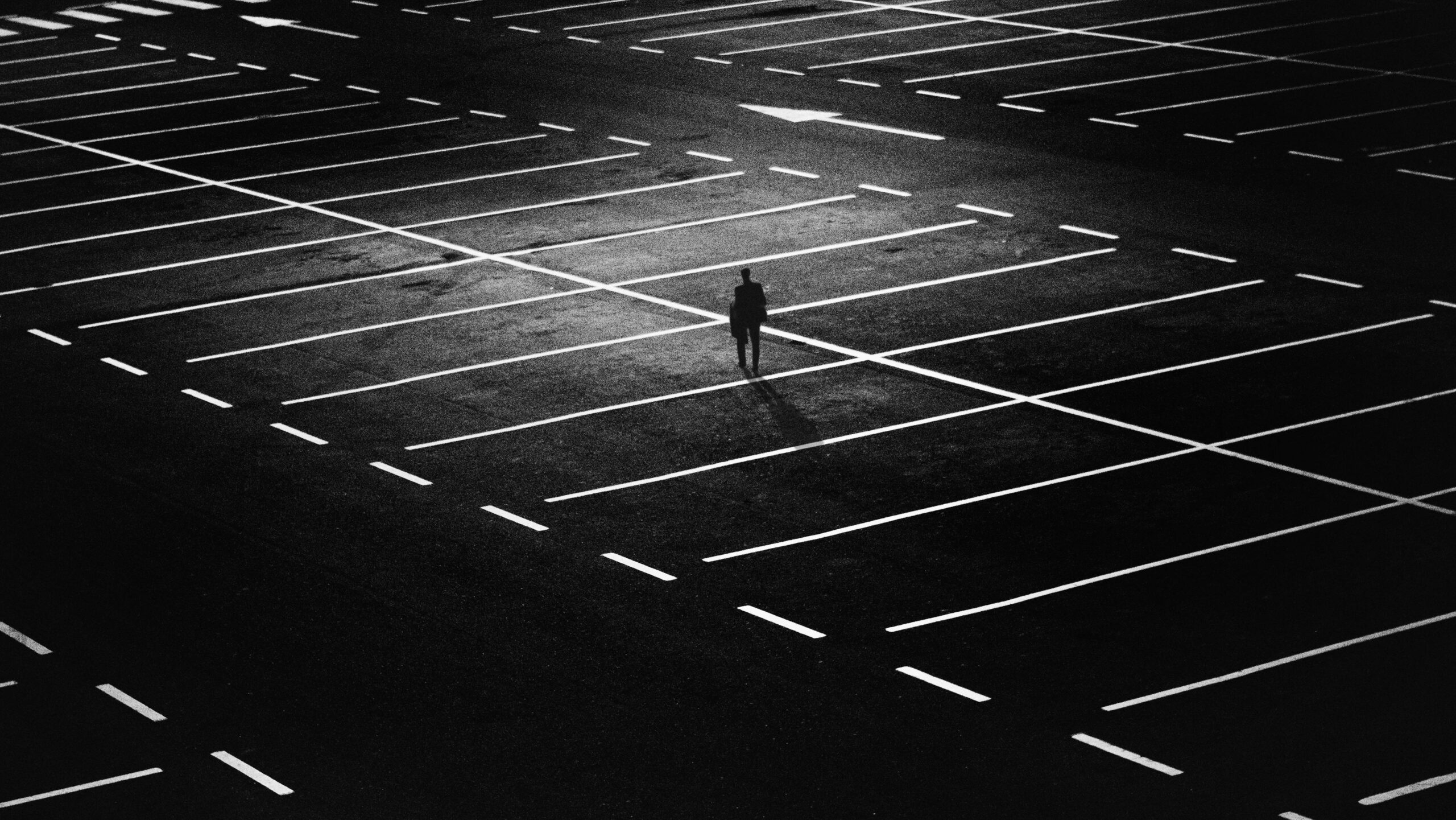
🌊 The Ongoing Dance Between Presence and Absence
Identity isn’t static but continuously evolving in response to what enters and leaves our lives. New absences emerge—children leave home, careers end, bodies age and lose capacities, people die. Simultaneously, some old absences become less defining as we gain new experiences, relationships, and understandings.
This dynamic quality means that our relationship with absence must also evolve. What devastated us at one life stage might become integrated and even meaningful at another. The parent whose absence defined our twenties might become contextualized differently in our fifties when we’ve had decades to build identity independent of that wound.
Life stages bring different relationships with absence. Youth often experiences absence as injustice—the things we should have had but didn’t. Middle age tends toward inventory-taking, assessing the balance of what was gained and lost. Older age often brings a certain acceptance, even appreciation, for how absence shaped a life that wouldn’t have been the same without it.
The wisdom lies not in achieving a final resolution with absence but in developing increasing flexibility and nuance in how we relate to empty spaces. Sometimes absence needs to be grieved, sometimes accepted, sometimes reframed, sometimes actively addressed, and sometimes simply acknowledged as part of the complex tapestry of a human life.
Our identities are neither solely products of what we’ve accumulated nor what we’ve lost, but rather emerge from the ongoing interplay between presence and absence, fullness and void, what is and what isn’t. In embracing this complexity rather than fleeing toward false completeness, we discover a more authentic, resilient, and ultimately more interesting version of ourselves—one that includes the shadows as well as the light, the silence as well as the sound, the empty spaces as well as what fills them. 🌟
