
Anúncios
Life rarely offers neat answers. Instead, it presents us with ambiguous moments, unresolved questions, and pathways we never anticipated exploring.
We live in an era obsessed with clarity, certainty, and immediate gratification. Self-help books promise five-step solutions, social media influencers sell definitive formulas for success, and our cultural narrative suggests that every problem has a clear answer waiting to be discovered. Yet the most profound truth about human existence is that much of it remains beautifully, frustratingly unanswered.
The tension between our desire for certainty and life’s inherent ambiguity creates a unique psychological landscape. We find ourselves standing at crossroads without signposts, experiencing emotions we cannot name, and questioning decisions that seemed obvious yesterday. This article explores how embracing these unanswered moments can become the gateway to deeper meaning, unexpected growth, and a more authentic existence.
🌫️ The Uncomfortable Space Between Questions and Answers
When we encounter situations without clear solutions, our immediate instinct is discomfort. This reaction is hardwired into our biology—uncertainty triggers stress responses because our ancestors needed quick answers for survival. Should I run from this shadow or investigate it? That split-second decision determined life or death.
Modern life rarely presents such stark choices, yet our nervous systems haven’t received the memo. We experience similar anxiety when facing career uncertainty, relationship ambiguity, or existential questions about purpose and meaning. The irony is that these contemporary uncertainties often require the opposite response from our ancient threats—they demand patience, reflection, and comfort with not knowing.
Research in psychology reveals that our tolerance for ambiguity significantly impacts our mental health and decision-making quality. Those who can sit with unanswered questions often make more nuanced, thoughtful choices. They avoid the trap of premature closure—grabbing the first available answer simply to escape discomfort.
Why We Chase Premature Answers
The hunger for immediate resolution manifests in various aspects of modern life. We Google symptoms instead of sitting with physical sensations. We demand relationship definitions after three dates. We expect career paths to reveal themselves during college orientation. This impatience costs us something precious: the wisdom that emerges only through sustained uncertainty.
Consider the creative process. Every artist, writer, or innovator knows the excruciating phase where the work isn’t yet formed, where multiple possibilities exist simultaneously, and where clarity feels impossibly distant. The masterpiece emerges not from rushing this phase but from honoring it. The same principle applies to personal growth.
🗺️ Hidden Paths: When the Obvious Route Isn’t the Right One
Traditional success narratives follow predictable trajectories: graduate, climb the corporate ladder, marry, purchase property, retire comfortably. These well-worn paths offer psychological safety—millions have walked them before, leaving clear markers and expectations. Yet increasing numbers of people discover that following these paths leads to destinations they never wanted to reach.
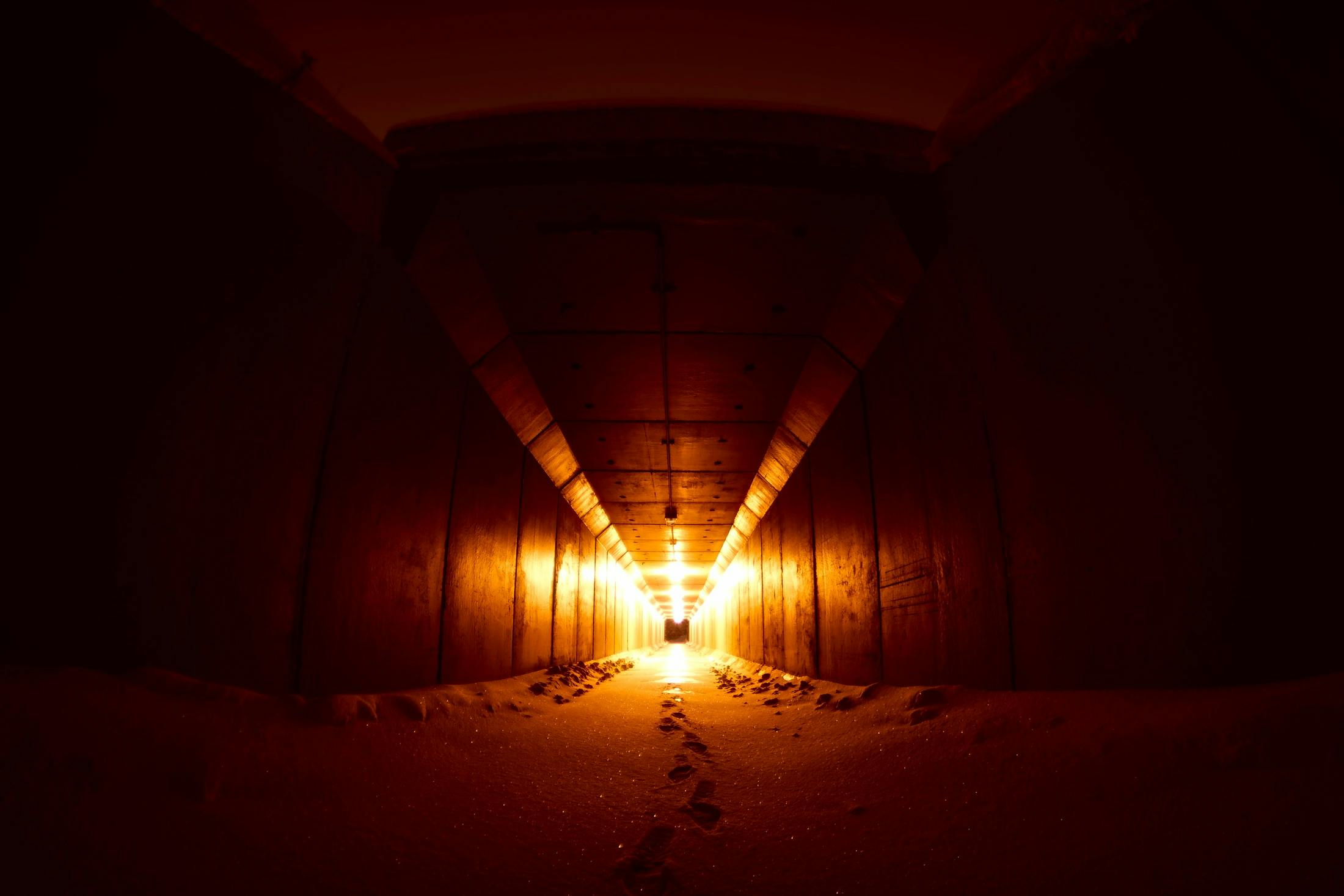
Hidden paths reveal themselves only to those willing to wander. They don’t appear on conventional maps because they’re often created through the act of walking them. These alternative routes might involve career pivots at forty, relocating to unfamiliar countries, embracing unconventional relationships, or building lifestyles that confuse family members.
The discovery of hidden paths requires specific conditions. First, you must acknowledge that the obvious route feels wrong, even if you cannot articulate why. Second, you must resist the pressure to immediately replace one clear path with another. The temptation is strong—if corporate law doesn’t fulfill you, maybe nonprofit work will! But this simply substitutes one prescribed answer for another.
Cultivating the Explorer’s Mindset
Explorers don’t have destinations; they have directions. This subtle distinction transforms how we approach life’s unanswered moments. Instead of demanding “What should I do with my life?” we might ask “What direction feels worth exploring right now?” The first question requires a definitive answer; the second invites experimentation.
This mindset shift involves several practical adjustments:
- Replacing “forever decisions” with “for now decisions” that reduce pressure
- Treating experiences as data collection rather than permanent commitments
- Valuing curiosity over certainty as a guiding principle
- Building financial and psychological buffers that allow for course correction
- Surrounding yourself with people who support exploration rather than demand explanations
💎 The Gifts Hidden in Ambiguity
While uncertainty feels uncomfortable, it contains unique opportunities unavailable in more settled times. When we don’t know the answer, our minds remain genuinely open to possibilities. Once we’ve decided, confirmation bias narrows our perception—we see primarily what supports our conclusion.
The period of not knowing functions like psychological white space. It’s the pause between musical notes that gives melody its meaning, the silence between words that allows comprehension. Without these gaps, everything becomes noise. Similarly, life without unanswered questions becomes a relentless march toward predetermined outcomes, devoid of genuine discovery.
Many of life’s most profound experiences emerge from this ambiguous space. Falling in love involves tremendous uncertainty—Will they reciprocate? Can this last? What am I even feeling? Creative breakthroughs occur when we’re stuck, turning the problem over without resolution until suddenly a new possibility emerges. Spiritual awakening often follows periods of doubt and questioning rather than unwavering faith.
Learning to Mine Uncertainty for Insight
Rather than merely tolerating ambiguity, we can actively extract value from it. This requires specific practices that transform passive waiting into active exploration. Journaling during uncertain times creates distance from our swirling thoughts, allowing patterns to emerge. We might notice that our anxiety about a career decision actually stems from childhood messages about security, not the present situation.
Mindfulness meditation cultivates comfort with unresolved experience. By repeatedly practicing the simple act of observing thoughts without immediately reacting to them, we build psychological muscles for tolerating bigger uncertainties. The breath continues without us controlling it, thoughts arise without us choosing them—perhaps life can unfold without us forcing every outcome.
🌱 Meaning Making: Beyond Finding Purpose to Creating It
Much contemporary discourse around meaning assumes it’s something to be found, discovered, or unlocked—as if purpose were a treasure buried in a specific location, waiting for the right map. This metaphor creates problems. It suggests meaning exists independently of us, that we might miss it, that some people find it while others don’t.
An alternative framework views meaning as something we create through engaged living. Purpose isn’t found; it’s forged through our choices, relationships, and commitments. This shift from discovering to creating meaning has profound implications for how we approach life’s unanswered questions.
When meaning is something we create rather than find, uncertainty becomes raw material rather than obstacle. Each unanswered question represents an opportunity to craft significance through how we engage it. The person who loses their job and doesn’t immediately know their next step isn’t failing to find purpose—they’re in the active process of creating it through their response to uncertainty.
The Paradox of Purposeful Wandering
This approach embraces a seeming contradiction: having direction without destination. We can commit deeply to values—creativity, connection, growth, contribution—without knowing exactly how they’ll manifest. A person might be certain they want to help others while remaining uncertain whether that happens through medicine, teaching, counseling, or creating art that resonates.
This purposeful wandering requires faith, but not in religious terms necessarily. It requires faith in the process itself—that engaged exploration leads somewhere meaningful even when we cannot see the endpoint. It’s the faith of the gardener who plants seeds without knowing exactly which will flourish, trusting that tending the garden itself is worthwhile.
🧭 Practical Navigation: Tools for the Uncertain Journey
Embracing uncertainty doesn’t mean abandoning all structure or direction. It means developing new types of navigation tools suited to ambiguous terrain. Traditional planning works beautifully for known territory—if you want to reach a visible mountain, you can map the route. But for hidden paths and emerging destinations, you need different instruments.
Values serve as compass rather than map. Instead of plotting specific coordinates, you identify your true north. When facing decisions without clear answers, you can ask “Which option aligns better with my core values?” rather than “Which option is objectively correct?” This shifts from an external standard to an internal one.
Building a Personal Practice of Uncertainty
Like any skill, comfort with ambiguity develops through regular practice. You might start small—deliberately not Googling every question immediately, sitting with a difficult emotion for ten minutes before seeking distraction, or postponing a decision one more day when you feel rushed toward closure.
These micro-practices build tolerance that serves you during major life uncertainties. Someone who has practiced sitting with small unknowns—what to order at dinner, which book to read next—develops capacity to sit with bigger ones: career changes, relationship questions, existential doubt.
Consider creating personal rituals around uncertainty. Some people designate a specific journal for unanswered questions, reviewing it quarterly to notice which questions resolved themselves, which transformed into different questions, and which remain alive. This practice reveals that uncertainty isn’t failure—it’s a natural part of meaningful engagement with life.
🔄 When Answers Finally Arrive (And When They Don’t)
Eventually, many uncertainties do resolve. The job search ends, the diagnosis arrives, the relationship clarifies, the creative project finds its form. These moments of resolution feel deeply satisfying after periods of ambiguity, yet they also contain their own lessons.
Often, we discover that the answer we eventually reached wasn’t available to us initially. We needed the period of uncertainty to develop capacity to receive it. The career path that now feels obvious would have overwhelmed us a year ago. The relationship clarity we’ve reached required exactly this much time to mature. The answer we needed wasn’t hidden—we weren’t yet ready for it.
This realization transforms how we view present uncertainties. Perhaps the questions we’re sitting with now aren’t evidence of failure or confusion. Perhaps they’re developmental necessities, holding space for growth we cannot yet perceive. The uncertainty itself is doing something important.
The Questions That Never Resolve
Some questions don’t offer neat answers, ever. “What is the meaning of life?” “Does this person truly love me?” “Am I making the right choice?” These questions might soften, transform, or become less urgent, but they often resist definitive resolution. Learning to carry these ongoing questions with grace rather than frustration marks a particular form of wisdom.
The Japanese aesthetic principle of wabi-sabi celebrates imperfection, impermanence, and incompleteness. Applied to psychological life, it suggests that our unanswered questions aren’t flaws to be fixed but features of authentic existence. The person who has everything figured out may have simply stopped asking interesting questions.
🌟 Living Fully Within the Mystery
The ultimate invitation is to stop treating uncertainty as a temporary condition to be endured while awaiting clarity. What if ambiguity isn’t the exception but the rule? What if life is fundamentally mysterious, and our occasional moments of certainty are actually the aberrations?
This perspective doesn’t lead to paralysis or nihilism. Instead, it liberates us from the exhausting demand for constant certainty. We can make decisions, commitments, and plans while simultaneously holding them lightly, remaining open to revision. We can pursue goals while enjoying the journey rather than fixating on arrival. We can build lives while acknowledging their improvisational, uncertain nature.
The people who thrive in this paradigm aren’t those who never experience doubt or confusion. They’re those who’ve developed a fundamentally different relationship with not knowing. They’ve discovered that you can be simultaneously uncertain and decisive, questioning and committed, wandering and purposeful.
This capacity to embrace paradox opens hidden paths unavailable to those demanding either/or certainty. You can pursue a career seriously while remaining open to completely different possibilities. You can commit deeply to a relationship while acknowledging its ultimate mystery. You can hold strong beliefs while maintaining genuine curiosity about alternatives.
The mystery of life isn’t a problem to be solved but a reality to be inhabited. Within that mystery lie the hidden paths to meaning we’ve been seeking—not despite the uncertainty but because of it. The moments we cannot fully answer or resolve become doorways to depth, authenticity, and unexpected discovery.
As you navigate your own unanswered moments, remember that you’re not failing at clarity—you’re succeeding at honesty. The questions that keep you up at night aren’t evidence of confusion but engagement. The paths that terrify you because they lack guarantees might be exactly the ones worth exploring. And the meaning you seek isn’t waiting to be found in some distant location—it’s being created right now, in how you choose to meet this present, uncertain, utterly alive moment. ✨
