
Anúncios
The world shifted in an instant. What once seemed permanent dissolved into absence, leaving behind questions too heavy for words and a silence that echoes endlessly.
When the unimaginable happens—when loved ones vanish, when communities dissolve, when the foundations of our existence crack beneath us—we find ourselves in territory no guidebook prepared us for. The concept of “vanishing” encompasses more than physical disappearance; it includes the erosion of identity, the collapse of systems we trusted, and the disintegration of the future we had envisioned. Yet within this profound darkness, something remarkable persists: the human capacity to rebuild meaning from fragments, to forge connections in emptiness, and to kindle hope when all light seems extinguished.
This journey through aftermath isn’t about returning to who we were before. That person, that life, vanished alongside everything else. Instead, it’s about discovering who we become when forced to reconstruct existence from its foundations—and finding that this reconstruction, though painful, can lead to depths of purpose previously unimagined.
🌑 The Geography of Loss: Understanding Life After Vanishing
The immediate aftermath of any vanishing event creates a unique psychological landscape. Time behaves strangely here—minutes stretch into hours while months compress into moments. Reality feels negotiable, as if the disappeared might return if we simply refuse to accept their absence strongly enough. This liminal space between what was and what must be serves an essential purpose, providing cushioning against the full weight of transformation our lives require.
Psychologists recognize this territory as complex grief, a condition distinct from typical bereavement. When loss lacks closure—when bodies remain unfound, when explanations prove insufficient, when communities dissolve without clear endings—the mind struggles to complete its natural mourning processes. We exist suspended between past and future, unable to fully inhabit either.
Yet this suspension, uncomfortable as it feels, represents the first stage of rediscovery. Within this fog, our fundamental assumptions about existence surface for examination. We confront questions most people spend lifetimes avoiding: What makes life meaningful when certainty evaporates? How do we connect when trust feels impossible? Where does hope originate when optimism seems naive?
The Physical Manifestations of Absence
Vanishing doesn’t only affect our emotional and psychological dimensions—it reshapes our physical existence. Sleep patterns fracture. Appetite becomes erratic. The body, intuitive instrument that it is, recognizes loss before the conscious mind fully processes it. Muscle memory reaches for routines that no longer exist, creating dozens of small shocks daily as reality contradicts expectation.
These physical symptoms aren’t weaknesses to overcome but rather information to interpret. Our bodies are mapping new territory, adjusting to altered gravitational pulls. Honoring this somatic response—rather than forcing “normalcy”—accelerates genuine healing. The body knows what the mind resists: that transformation requires time measured in seasons, not days.
🔍 Excavating Purpose from the Ruins
Purpose doesn’t announce itself with trumpets and clarity. After profound loss, it emerges gradually, often beginning as the smallest impulse—a curiosity about sunrise, concern for a struggling plant, the desire to hear a particular song. These whispers matter precisely because they arise unbidden, signs that beneath the numbness, engagement with existence continues.
Traditional advice about “finding your purpose” feels hollow after vanishing events. Grand missions and five-year plans belong to a worldview that catastrophe has already dismantled. Instead, purpose rebuilds through accumulation of tiny affirmations: I will get out of bed. I will drink water. I will respond to one message. Each minuscule choice creates infrastructure for larger meaning.
The Dangerous Seduction of Frozen Purpose
A common trap awaits those navigating aftermath: the belief that honoring what vanished requires preserving everything unchanged. We maintain rooms exactly as they were, repeat routines mechanically, refuse opportunities that feel like betrayals. This frozen purpose feels like loyalty but functions as avoidance.
True honoring requires allowing what was lost to transform within us rather than embalming it in amber. The question shifts from “How do I keep everything the same?” to “How does this loss change what matters to me now?” This distinction liberates purpose from the past’s grip while still acknowledging its profound influence on our present.
Purpose as Process Rather Than Destination
The rebuilt life rarely resembles the blueprint we carried before. Purpose after vanishing tends toward fluidity—responsive, adaptive, focused on presence rather than distant achievement. Many discover meaning in:
- Bearing witness: Creating space for others navigating similar darkness
- Preservation through transformation: Taking what mattered and evolving it into new forms
- Radical presence: Committing fully to whatever moment currently exists
- Service born from understanding: Using hard-won wisdom to ease others’ suffering
- Creative alchemy: Transforming pain into art, advocacy, or innovation
None of these purposes erase what vanished. Instead, they create relationship with absence, weaving loss into the fabric of ongoing existence rather than treating it as a wound requiring concealment.
🌉 Rebuilding Connection in a Landscape of Absence
Vanishing fractures not only specific relationships but our fundamental trust in connection itself. If everything can disappear—if permanence proves illusory—why risk attachment again? This question haunts survivors, creating isolation that compounds original loss.
Yet humans remain profoundly social creatures. Connection isn’t optional luxury but biological necessity. Studies of survivors across contexts—from war zones to natural disasters to personal catastrophes—consistently demonstrate that relationship quality predicts recovery outcomes more reliably than any other factor. We literally need each other to rebuild.
The Vulnerability Paradox
Post-vanishing connection requires a paradoxical stance: simultaneously acknowledging that everything can be lost while choosing to invest deeply anyway. This isn’t naivety but rather courage born from intimacy with impermanence. Having survived one vanishing, we know we could survive another—and we know that avoiding connection doesn’t actually protect us, it only ensures we suffer isolation in addition to whatever else occurs.
This vulnerability feels different than pre-loss openness. It carries awareness, intentionality, a certain clear-eyed tenderness. We connect not despite fragility but through acknowledging it, creating bonds strengthened rather than weakened by honest recognition of impermanence.
Finding Your People in the Aftermath
Not everyone can meet us in loss’s territory. Some relationships that functioned beautifully in ordinary life prove inadequate for extraordinary circumstances. This creates painful secondary losses as friendships reveal their limitations. Simultaneously, unexpected connections emerge—with fellow survivors, with strangers who demonstrate unusual capacity to sit with darkness, with communities built around shared understanding of life’s precariousness.
These aftermath relationships often form quickly and deeply. Shared recognition of what lies beneath ordinary existence creates intimacy that bypasses typical relationship timelines. There’s relief in not explaining, in being met by others who know intimately what words can barely approximate. For many survivors, these connections become lifelines—proof that relationship remains possible and that we needn’t navigate reconstruction alone.
✨ Cultivating Hope Without Denial
Hope after vanishing requires redefinition. It cannot mean expecting everything to work out wonderfully or trusting that the universe protects us from harm—experience has already contradicted those comforting illusions. Instead, mature hope acknowledges darkness while refusing to grant it final authority. It says: “Yes, the worst happened. And somehow, life continues. And within that continuation, possibilities exist that I cannot yet imagine.”
This hope doesn’t minimize suffering or rush toward silver linings. It simply maintains that the story remains unfinished, that today’s devastation doesn’t determine all future chapters. Psychologists call this “tragic optimism”—the capacity to find meaning despite unavoidable suffering, to maintain belief in human potential even when confronting humanity’s capacity for loss and destruction.
Daily Practices for Sustaining Hope
Hope isn’t sustained through positive thinking but through intentional practice. Small rituals create containers that hold possibilities when everything feels impossible:
- Gratitude for what remains: Not bypassing loss but acknowledging that absence doesn’t equal totality—something persists, even if unrecognizable
- Attention to beauty: Training perception toward moments of light, not as denial of darkness but as evidence of complexity
- Connection with growth: Tending plants, observing seasons, engaging with any process that demonstrates life’s insistence on continuing
- Stories of survival: Reading accounts of others who navigated impossible circumstances and discovered unexpected futures
- Creative expression: Externalizing internal experience through art, music, writing, or movement—making the invisible visible
The Role of Meaning-Making
Humans are meaning-making creatures. We cannot help but construct narratives that contextualize our experiences. After vanishing events, this drive intensifies—we desperately need these experiences to mean something, to serve some purpose beyond random suffering.
The danger lies in premature meaning-making, in rushing toward explanations that provide comfort but limit growth. “Everything happens for a reason” can become a cage that prevents genuine reckoning with loss’s randomness. More sustainable meaning emerges gradually through the question: “Given that this happened, what becomes possible now that wasn’t before?”
This approach acknowledges we wouldn’t choose such catalysts while recognizing that transformation occurs regardless of whether we invited it. The meaning isn’t that the loss was good or necessary, but that our response to it can generate significance that honors both what vanished and what remains.
🛤️ Navigating the Long Middle: When Recovery Isn’t Linear
Popular narratives about recovery follow neat arcs: devastation, struggle, breakthrough, resolution. Actual experience proves messier. Years after vanishing events, we might suddenly collapse with grief that feels fresh. We cycle through stages non-sequentially. We think we’ve healed, then discover new layers requiring attention.
This non-linearity doesn’t indicate failure but rather reflects loss’s actual complexity. Significant vanishing events reorganize our entire existence—psychological, emotional, physical, social, spiritual. Such comprehensive transformation cannot complete on convenient timelines. Each life stage, each new context, reveals different facets of loss requiring integration.
Recognizing Subtle Progress
When recovery refuses linear progression, tracking improvement becomes challenging. The changes worth noticing often appear subtle:
| Early Aftermath | Later Integration |
|---|---|
| Cannot imagine feeling differently | Can conceive of future change even while currently struggling |
| Complete absorption in loss | Capacity for temporary distraction and genuine enjoyment |
| Isolation feels safest | Connection feels possible despite risks |
| Purpose seems permanently destroyed | Small meanings emerge and accumulate |
| Hope feels naive or impossible | Cautious hope coexists with realistic awareness |
Progress appears in our relationship with the loss itself—not its intensity decreasing necessarily, but our capacity to hold it alongside other experiences expanding. We become larger containers, capable of encompassing both devastation and beauty, grief and gratitude, absence and presence simultaneously.
🌱 The Person You’re Becoming: Identity After Transformation
Vanishing events shatter not only our external circumstances but our sense of self. The person we were before existed in relationship to what’s now gone. Without those anchoring connections, identity itself requires reconstruction. Many survivors describe feeling unrecognizable to themselves—their values shifted, priorities reordered, fundamental assumptions altered.
This identity crisis, though disorienting, creates unexpected freedom. If we’re no longer who we were, we can intentionally choose who we become. The forced reinvention permits experimentation that stable circumstances rarely allow. We can question inherited beliefs, abandon expectations that never truly fit, explore directions previously deemed impossible or impractical.
Honoring Both Continuity and Change
Identity reconstruction doesn’t require rejecting everything that came before. Instead, it involves discernment: What remains essential? What served the old life but doesn’t fit this one? What new capacities have emerged through surviving the unsurvivable?
Many survivors discover unexpected resilience, depths of compassion they couldn’t access before, clarity about what truly matters. These aren’t “gifts” of trauma—trauma isn’t gift-giving—but rather capacities developed through necessity that we might choose to value and cultivate.
🌅 Creating New Rituals for an Altered Life
The rituals that structured our previous existence may feel hollow or impossible now. Holidays become minefields. Anniversaries trigger rather than celebrate. Daily routines we performed automatically now require conscious navigation around absence-shaped obstacles.
Rather than forcing adherence to rituals designed for different circumstances, we benefit from creating new ones that acknowledge present reality. These might include:
- Marking loss anniversaries through chosen activities that honor both grief and continuity
- Establishing new traditions that create meaning without requiring the participation of what vanished
- Building rituals around self-care and community that reinforce commitment to ongoing life
- Creating artistic or symbolic practices that maintain connection to what’s gone while living fully in what remains
These rituals matter not because they erase pain but because they provide structure when everything feels formless. They mark time, create anticipation, generate meaning—all essential elements of sustainable existence.
💪 When to Seek Additional Support
Navigating life after vanishing doesn’t require heroic self-sufficiency. Professional support—therapy, support groups, specialized counseling—provides tools and perspective that friends and family, however well-meaning, cannot offer. Particularly when:
- Functioning remains severely impaired months after the loss
- Substance use becomes a primary coping mechanism
- Relationships consistently suffer due to unprocessed grief
- Thoughts of self-harm emerge and persist
- Complex trauma symptoms interfere with daily existence
Seeking help isn’t weakness but wisdom—recognition that some territories require guides who know the landscape. Trauma-informed therapists, grief counselors, and peer support groups offer normalization, skill-building, and companionship through terrain that shouldn’t be traversed alone.
🌍 Finding Meaning Through Service and Advocacy
Many who survive vanishing eventually discover purpose through using their experience to ease others’ suffering. This transformation from victim to advocate, from sufferer to supporter, creates meaning that honors loss while refusing to be imprisoned by it. Whether through formal organizations, informal peer support, creative expression that helps others feel less alone, or advocacy that prevents similar losses, this outward turn often marks significant healing.
This trajectory isn’t mandatory or superior to other paths. Not everyone will or should become an advocate. But for those called to it, bearing witness—saying “this happened, here’s what helped, you’re not alone”—creates purpose born directly from what vanished. The loss itself becomes teacher, the suffering transforms into qualification for a particular kind of service impossible without such intimacy with darkness.
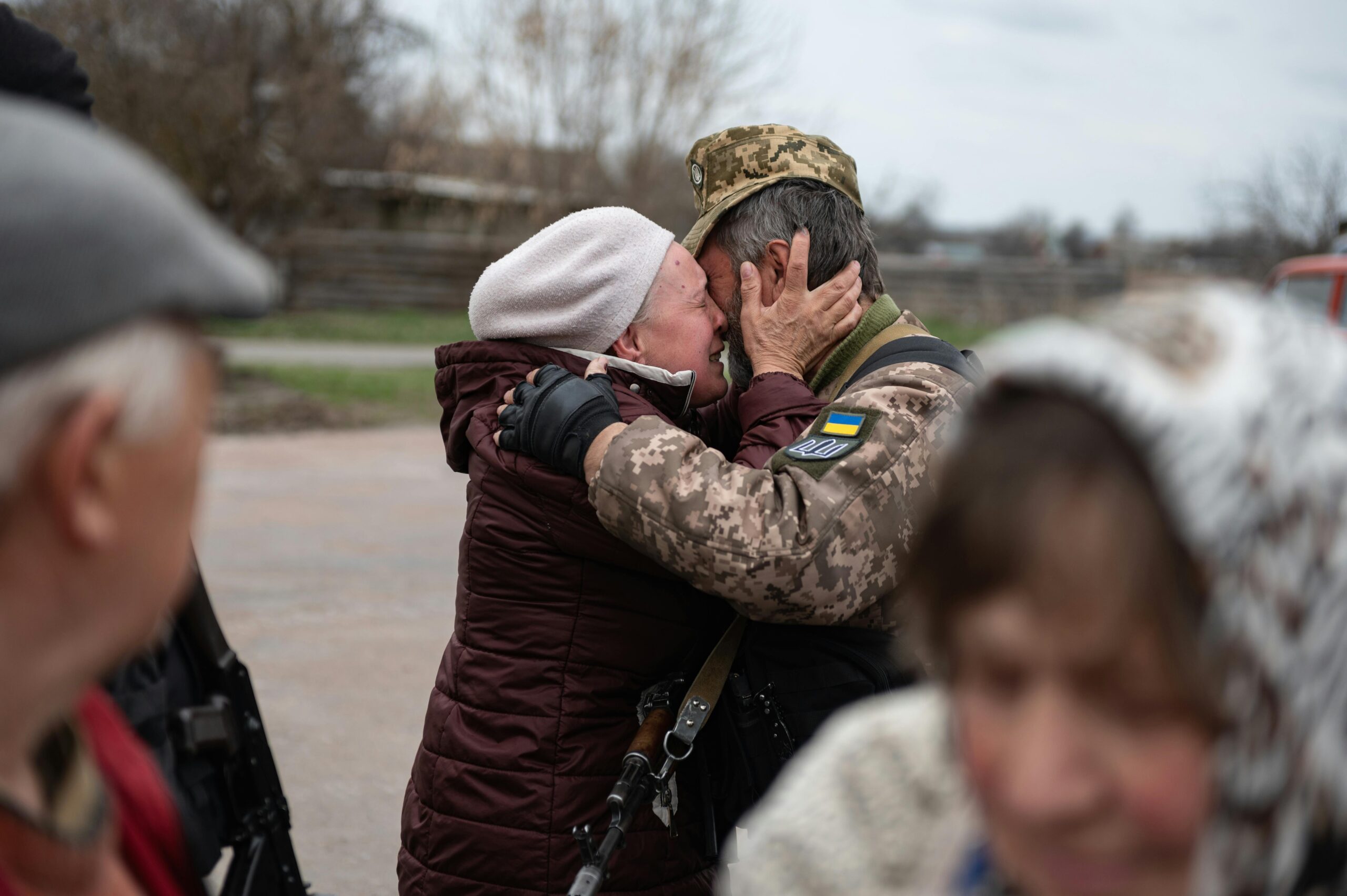
🔮 Living Forward: The Ongoing Journey
Years after vanishing events, most survivors report that loss never fully resolves. It doesn’t disappear or stop mattering. But their relationship with it transforms. What once consumed their entire existence becomes one thread among many in a complex tapestry. They learn to carry it rather than being carried by it.
This integration doesn’t mean “getting over it” or “moving on”—phrases that misunderstand loss’s permanent nature. Instead, it means expanding to contain multiplicity: holding grief while experiencing joy, maintaining connection to the past while investing in the future, acknowledging life’s fragility while choosing full engagement anyway.
The life rebuilt after vanishing may not resemble the one lost. It might be smaller in some dimensions, larger in others. It will certainly be different—shaped by absence, informed by survival, characterized by a particular awareness of existence’s precariousness and preciousness. And within that difference, within that hard-won wisdom, purpose, connection, and hope don’t just return. They emerge transformed, deepened, refined by their journey through darkness into something more durable precisely because it acknowledges rather than denies life’s essential fragility. ✨
This is life beyond vanishing: not the restoration of what was lost, but the courageous construction of what comes next—built on ruins, shaped by absence, animated by the stubborn human insistence that even when the worst happens, even when everything disappears, the story continues. And in that continuation, in our deliberate choice to write the next chapters despite having no guarantee about their endings, we discover that meaning wasn’t in what vanished after all. It was always in how we respond, how we rebuild, how we refuse to let loss have the final word.
