
Anúncios
Every human being carries emotions that transcend the present moment, weaving themselves into the fabric of memory, identity, and relationships. These feelings linger, shaping who we become.
🌊 The Invisible Architecture of Emotional Memory
Our emotions don’t simply vanish when moments pass. They embed themselves into our neural pathways, creating invisible blueprints that influence future decisions, reactions, and connections. Scientists have discovered that emotional memories form with particular intensity, encoding not just facts but the sensory and visceral experiences that accompanied them.
The limbic system, particularly the amygdala and hippocampus, works tirelessly to catalogue our emotional experiences. When we encounter similar situations later in life, these stored emotions resurface—sometimes consciously, often beneath our awareness. This phenomenon explains why a particular scent can transport us instantly to childhood, or why certain songs evoke inexplicable nostalgia.
Research in neuroplasticity reveals that repeated emotional patterns literally reshape our brain structure. The feelings we experience most frequently create stronger neural connections, making certain emotional responses more automatic over time. This biological reality underscores why healing from trauma requires more than intellectual understanding—it demands rewiring these deeply embedded pathways.
✨ Ancestral Echoes: Emotions Beyond Our Lifetime
The concept of inherited emotions has moved from mysticism into legitimate scientific inquiry. Epigenetics demonstrates that traumatic experiences can alter gene expression in ways that transfer to subsequent generations. Holocaust survivors’ descendants, for instance, show measurable differences in stress hormone regulation, despite never experiencing those original traumas themselves.
This transgenerational transmission of emotional patterns suggests our feelings have longer lifespans than previously imagined. The anxiety your grandmother experienced during wartime might subtly influence your own stress responses. The resilience your grandfather developed through hardship could manifest as your innate optimism.
Indigenous cultures have long recognized this truth, honoring ancestors and acknowledging that healing one’s own emotional wounds can ripple backward and forward through family lineages. Modern psychology is slowly validating these ancient wisdoms, recognizing that individual therapy often uncovers family patterns spanning multiple generations.
The Silent Language of Intergenerational Feelings
Families develop emotional dialects—unspoken rules about which feelings are acceptable and which must remain hidden. A child growing up in a household where sadness was met with dismissal learns to suppress grief, carrying that suppression into adulthood and potentially passing it to their own children.
Breaking these cycles requires conscious awareness. By naming these inherited emotional patterns, we can choose which to honor and which to release. The lingering feelings we carry aren’t always ours alone—they’re sometimes echoes of ancestral struggles, victories, and unprocessed griefs.
💫 The Persistent Nature of Unacknowledged Emotions
Perhaps no emotions linger more powerfully than those we refuse to acknowledge. Suppressed feelings don’t disappear; they ferment, often manifesting as physical symptoms, relationship conflicts, or seemingly unrelated anxieties. The body keeps score, as trauma researcher Bessel van der Kolk famously noted.
Contemporary life often demands emotional efficiency—process your grief quickly, move past anger professionally, maintain perpetual positivity. This cultural pressure creates a backlog of unprocessed emotions that accumulate like psychological debt, accruing interest in the form of increased intensity and dysfunction.
When we finally create space to feel what we’ve long avoided, the experience can be overwhelming. That’s why therapeutic practices emphasize gradual emotional processing rather than sudden catharsis. The feelings that have lingered for years need gentle acknowledgment, not forceful extraction.
Practical Pathways to Emotional Integration
Acknowledging lingering emotions doesn’t require dramatic confrontations or expensive retreats. Simple daily practices can create meaningful change:
- Somatic awareness exercises: Spending five minutes daily scanning your body for tension or sensation helps reconnect mind and emotion.
- Journaling without judgment: Writing stream-of-consciousness allows suppressed feelings to surface safely.
- Creative expression: Art, music, and movement bypass intellectual defenses, accessing deeper emotional truths.
- Mindful naming: Simply identifying and naming emotions as they arise reduces their overwhelming quality.
These practices work because they honor the fundamental truth that emotions need witnessing. The lingering feeling isn’t seeking resolution necessarily—it’s seeking acknowledgment.
🌿 How Collective Emotions Shape Cultural Identity
Beyond individual and family systems, emotions linger at collective scales, shaping entire cultures and societies. National traumas—wars, genocides, colonization—create emotional atmospheres that persist for generations, influencing everything from political systems to artistic movements.
Countries that have experienced occupation often carry collective vigilance and mistrust that outlasts the original threat by decades. Nations built through immigration hold complex emotional legacies of displacement, hope, and reinvention. These collective emotional signatures aren’t merely historical curiosities—they actively influence contemporary policy decisions and social dynamics.
Understanding these larger emotional contexts helps explain seemingly irrational cultural behaviors. Why do some societies embrace risk while others prioritize security? Why do certain communities value emotional restraint while others celebrate expressiveness? These preferences often reflect lingering collective emotional experiences.
The Emotional Architecture of Places
Spaces themselves can hold emotional resonance. Battlefields, memorial sites, and sacred grounds often evoke powerful feelings in visitors who have no personal connection to their histories. While skeptics might attribute this to suggestion, research in environmental psychology suggests that places do carry emotional information—through architecture, landscape, and collective memory.
This phenomenon explains why certain locations feel immediately comforting while others trigger unease. The emotional experiences that occurred in a space leave subtle imprints that sensitive individuals detect, whether consciously or unconsciously.
🔄 The Cyclical Nature of Emotional Patterns
Emotions that linger often do so in cycles rather than remaining constant. Anniversary reactions—intensified emotions occurring around the date of significant past events—demonstrate this cyclical nature. Someone might experience inexplicable sadness every autumn without consciously remembering that a major loss occurred during that season years earlier.
These emotional cycles operate on various timescales. Seasonal patterns influence mood broadly, with winter depression affecting millions. Monthly hormonal fluctuations create predictable emotional rhythms. Even daily circadian patterns affect emotional regulation, with anxiety typically peaking in late afternoon for most people.
Recognizing these patterns reduces their power. When we understand that certain emotions emerge cyclically, we can prepare for them, extend ourselves compassion, and avoid over-identifying with temporary states. The feeling that arrives like clockwork each November isn’t a character flaw—it’s a lingering echo requiring acknowledgment.
💝 Lingering Love and the Persistence of Connection
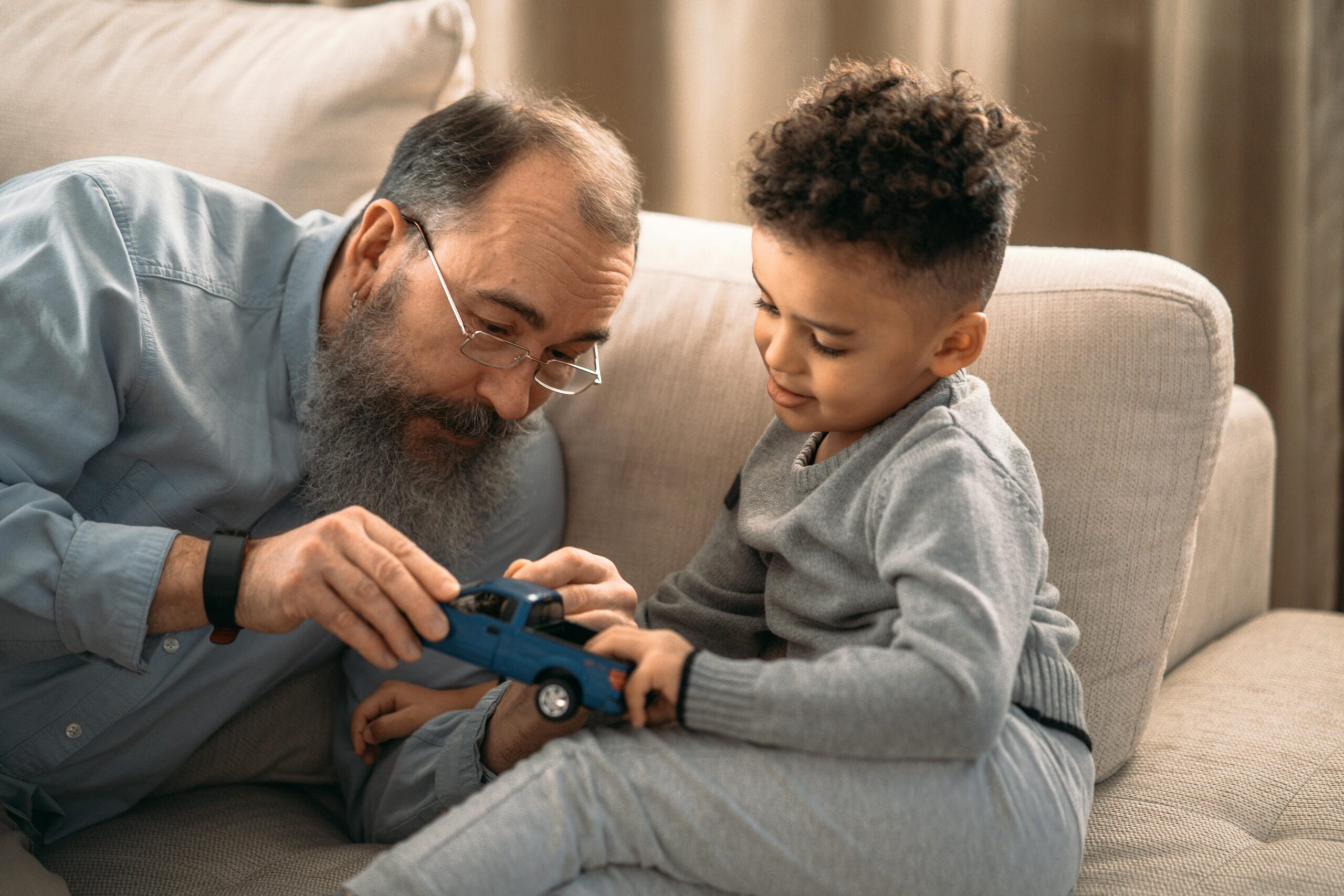
Not all lingering emotions carry negative connotations. Love, perhaps more than any other feeling, demonstrates remarkable persistence across time and circumstance. The bond between parent and child, the connection between lifelong friends, the attachment to a deceased loved one—these feelings endure despite separation, conflict, and even death.
Attachment theory explains that early relationship patterns create internal working models that influence all subsequent connections. The security or anxiety we experienced in childhood relationships lingers, shaping how we approach intimacy throughout life. A parent’s consistent responsiveness creates lingering trust; inconsistent care creates lingering anxiety about abandonment.
Yet these patterns aren’t destiny. Earned secure attachment—developing relationship security despite insecure childhood experiences—demonstrates that new emotional experiences can overlay and eventually transform lingering patterns. The persistence of old feelings doesn’t preclude the formation of new ones.
The Bittersweet Nature of Nostalgia
Nostalgia represents a particularly complex lingering emotion—simultaneously sweet and melancholic. Research shows that nostalgic feelings actually serve important psychological functions, including boosting mood, increasing social connectedness, and enhancing meaning in life.
The romanticization of past experiences, while sometimes criticized as avoidance of present reality, often reflects genuine appreciation for growth and change. The college years feel magical in retrospect not because they were perfect, but because they represented a unique developmental period that shaped who we became.
🌟 Embracing Rather Than Eliminating Lingering Feelings
Modern wellness culture often frames emotional work as elimination—getting rid of negative feelings, releasing trauma, clearing blocks. This framing misunderstands the nature of emotions and potentially creates additional suffering when feelings predictably persist despite our best efforts.
An alternative approach involves integration rather than elimination. Instead of trying to erase lingering emotions, we can learn to coexist with them skillfully. This shift mirrors the difference between curing and healing—cure suggests complete removal of symptoms, while healing suggests wholeness despite ongoing challenges.
Acceptance and Commitment Therapy (ACT) exemplifies this approach, teaching psychological flexibility—the ability to remain present with difficult emotions while still taking values-aligned action. The lingering sadness doesn’t need to disappear before you can experience joy; both can coexist.
Building Emotional Capacity Rather Than Emotional Control
Traditional emotional regulation strategies often emphasize control—managing, suppressing, or redirecting feelings. While these skills have value, they can inadvertently reinforce the belief that emotions are dangerous and must be contained.
Emotional capacity-building takes a different approach, gradually expanding our tolerance for emotional intensity. Like physical conditioning, this involves progressively challenging ourselves to stay present with slightly more intense feelings than feels comfortable, building resilience over time.
This capacity allows lingering emotions to exist without overwhelming us. The grief that surfaces unexpectedly ten years after a loss doesn’t derail our entire day—we can acknowledge it, let it move through us, and continue with necessary activities.
🎭 The Creative Gifts of Lingering Emotions
Throughout history, artists have transformed lingering personal emotions into works that resonate across cultures and centuries. The specific grief Picasso felt became the universal anguish of Guernica. Emily Dickinson’s particular loneliness became poetry that speaks to isolated souls across generations.
Creative expression doesn’t resolve lingering emotions so much as transmute them into something meaningful. The feeling that might otherwise circulate endlessly within the individual psyche finds external form, often connecting deeply with others experiencing similar emotions.
This creative transformation isn’t limited to professional artists. Anyone who cooks a beloved grandmother’s recipe, plants a memorial garden, or shares difficult stories with trusted friends engages in this alchemical process—taking lingering internal emotions and giving them external, often beautiful, form.
🌈 Living Richly With Emotional Complexity
The goal isn’t to achieve a state free from lingering emotions—such a state would be sterile, disconnected, and frankly inhuman. Rather, the invitation is to develop a different relationship with these persistent feelings, viewing them not as problems requiring solutions but as information, connection, and depth.
The emotion that resurfaces whenever you hear your father’s favorite song isn’t disrupting your peace—it’s maintaining your connection to someone who shaped you. The anxiety that appears before important presentations isn’t sabotaging you—it’s mobilizing energy and attention. The melancholy that accompanies autumn isn’t depressing you—it’s connecting you to natural cycles and impermanence.
Embracing lingering emotions means developing discernment about when to lean into them and when to gently redirect attention. It means building a life structure that allows space for emotional complexity rather than demanding perpetual positivity. It means recognizing that the richest lives aren’t the most comfortable, but the most fully felt.
Our lingering emotions—personal, inherited, and collective—create continuity across time. They root us in history while shaping our future. They connect us to others who’ve felt similarly across centuries and cultures. Rather than viewing them as burdens to overcome, we might recognize them as threads in the larger tapestry of human experience, echoing through time and reminding us that to feel deeply is to live fully.
